
Ironmaking Asset Transition Windows
Mapping the lifecycles of ironmaking assets, identifying the most practical timing for green upgrade, replacement, and phase-out of conventional blast furnaces
Understanding when blast furnaces (BF) approach major relining and reinvestment points is critical for identifying potential opportunities for lower-carbon ironmaking. This project develops a methodology to estimate BF relining windows across mainland China’s conventional BF fleet, using asset level operational histories and major furnace events to assess when individual units may next reach a significant reinvestment point.
The project’s central output is a forward looking assessment of these estimated BF relining windows, identifying periods when individual furnaces may face decisions around relining, life extension, replacement, retirement, or lower-carbon upgrading. The methodology combines available information on furnace operation, relining and other major operational events to derive and calibrate estimated transition windows at the unit level, allowing these timing patterns to be examined across the national fleet.
Supporting analysis provides context for interpreting these windows, including changes in fleet structure, capacity replacement, regional and corporate patterns, financial pressure, and the deployment of environmental, operational and lower-carbon technologies. Together, these analyses help place the estimated relining windows within the broader evolution of China’s ironmaking sector.
725
Operating ironmaking units, totaling 923.65 million metric tonnes per annum (mmtpa) capacity
1.06 : 1
Accumilated replacement ratio of capacity replacement scheme, of all announced projects by May 17 2026
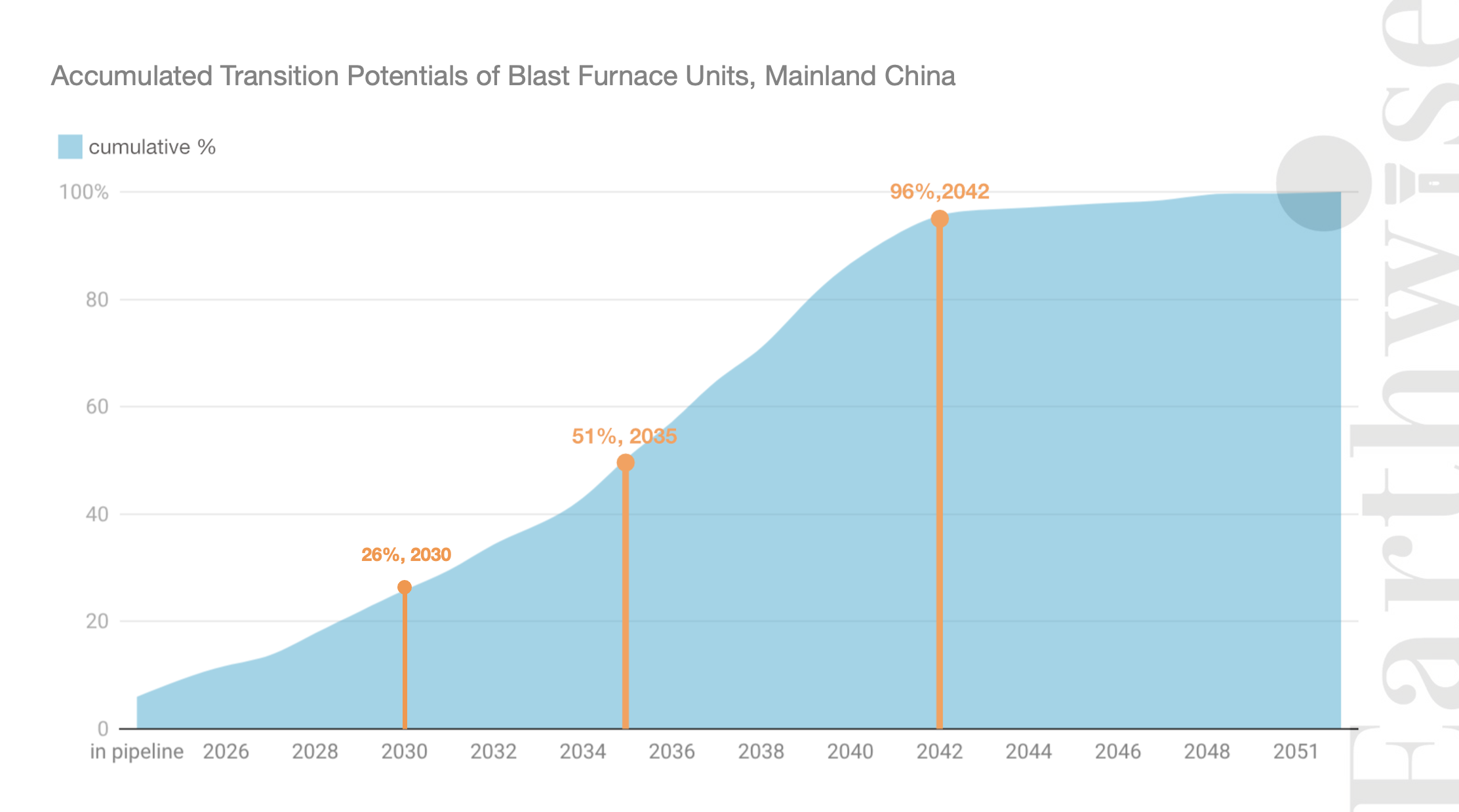
96%
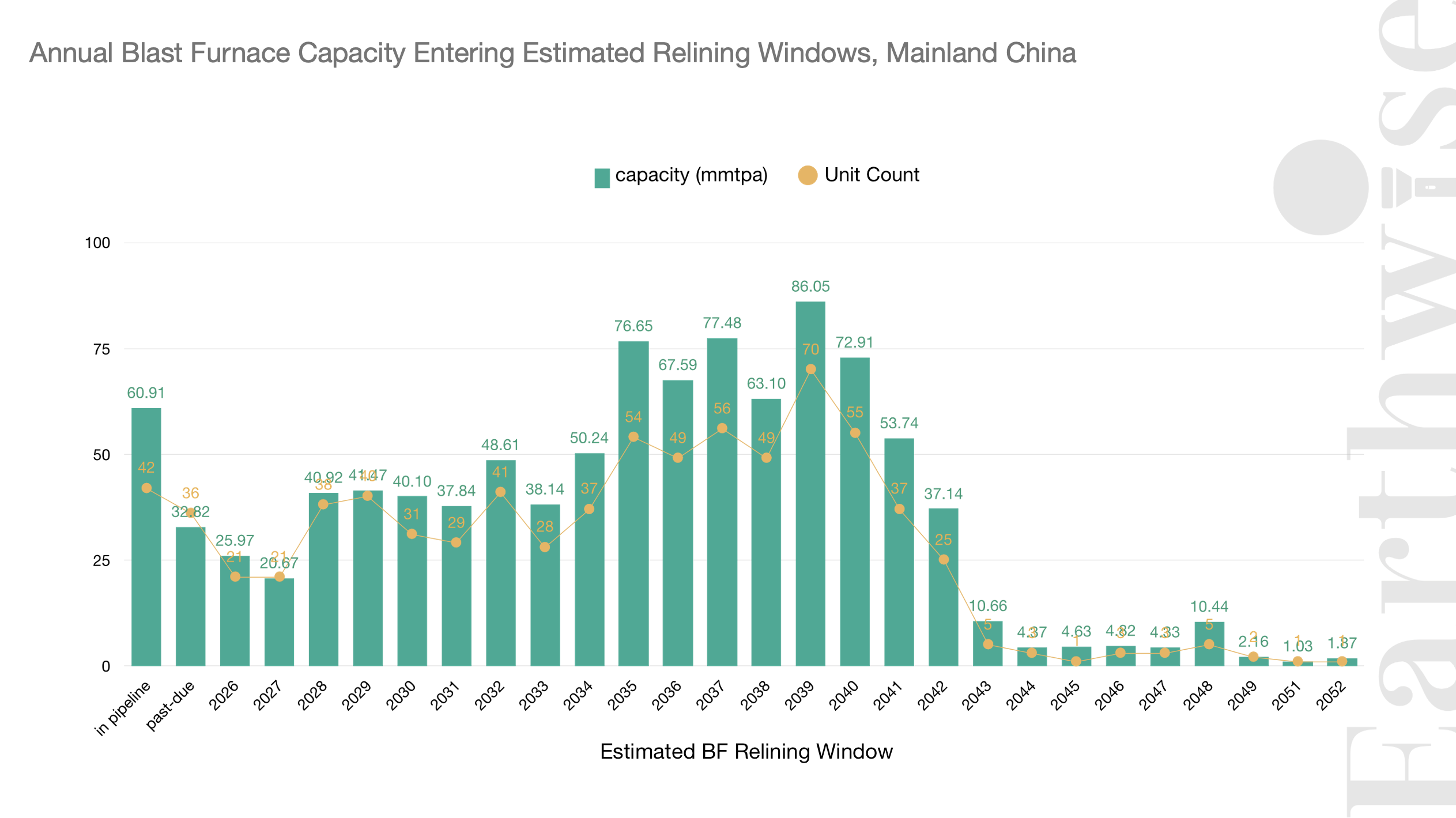
of operating BF capacity will reach their relining window by 2042
57.53%
of operating BF capacity will reach their relining window between 2034 - 2042
17th FYP
overlaps with the period of highest transition potential
Key Finding:
China’s conventional BF fleet faces the most concentrated reinvestment and transition cycle between 2034 and 2041, during which 57.53% of national operating conventional BF capacity is expected to reach its next major relining window. Within this period, more than 50 mmtpa of capacity reaches estimated relining windows each year, with the annual peak occuring in 2039.
1.
Transition opportunities accumulate steadily before the main concentration: around 26% of conventional blast furnace capacity will have reached its next estimated relining window by the end of 2030, rising to 51% by 2035 and around 96% by 2042.
Read the full analysis on transition windows:
China’s Blast Furnace Transition Windows: Timing Green Upgrade and Phase-out Decisions
2.
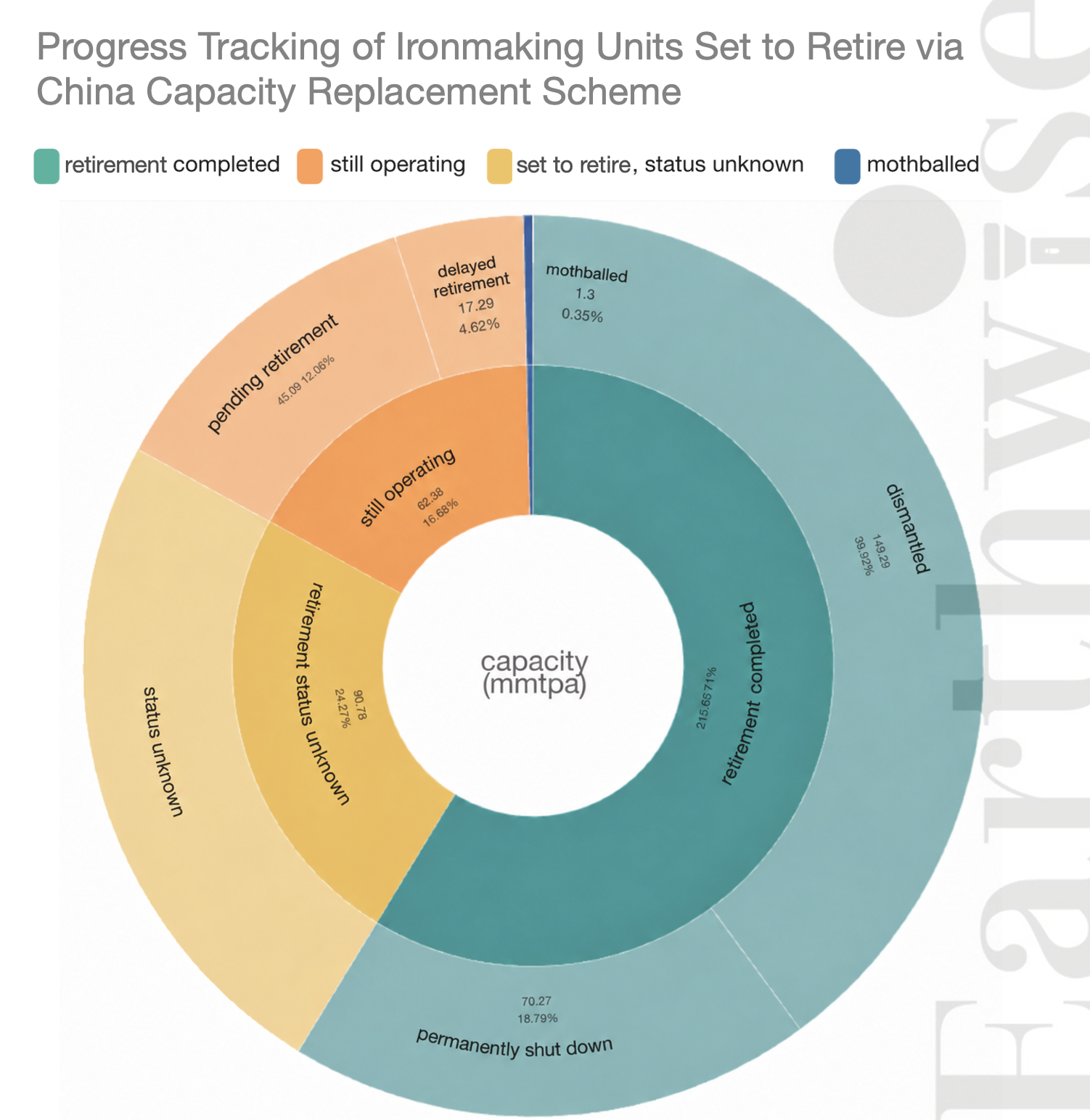
Of identified capacity set to retire under China's capacity replacement scheme, 58.59% has been confirmed retired through dismantling or permanent shutdown; 24.34% has reached its planned retirement timing without a confirmed final status and 16.72% remains operating.
Read the full analysis on China's progress in Capacity Replacement Scheme:
China’s Ironmaking Capacity Replacement: Progress, Technology and Remaining To-dos
3.
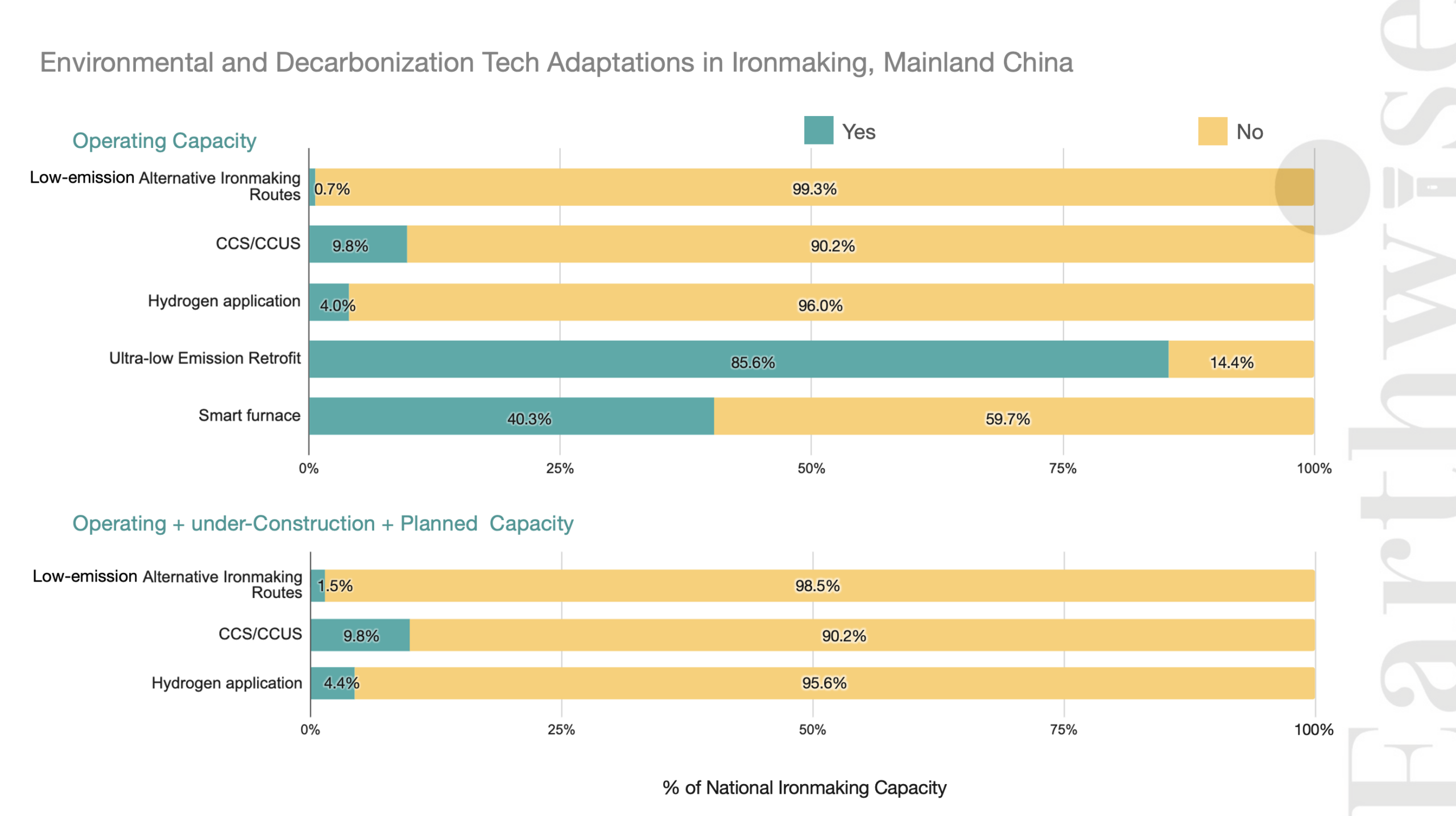
Technology deployment varies by purpose: Energy-recovery technologies and air pollution control measures are widely adopted, while smart BF management is progressing. Technologies targeting deeper carbon-emissions reductions, including H₂ DRI and CCS/CCUS, remain at an earlier stage of deployment.
Read the full analysis on green ironmaking techs:
China’s Green Ironmaking Transition: Technology Uptake and Emerging Alternatives
4.
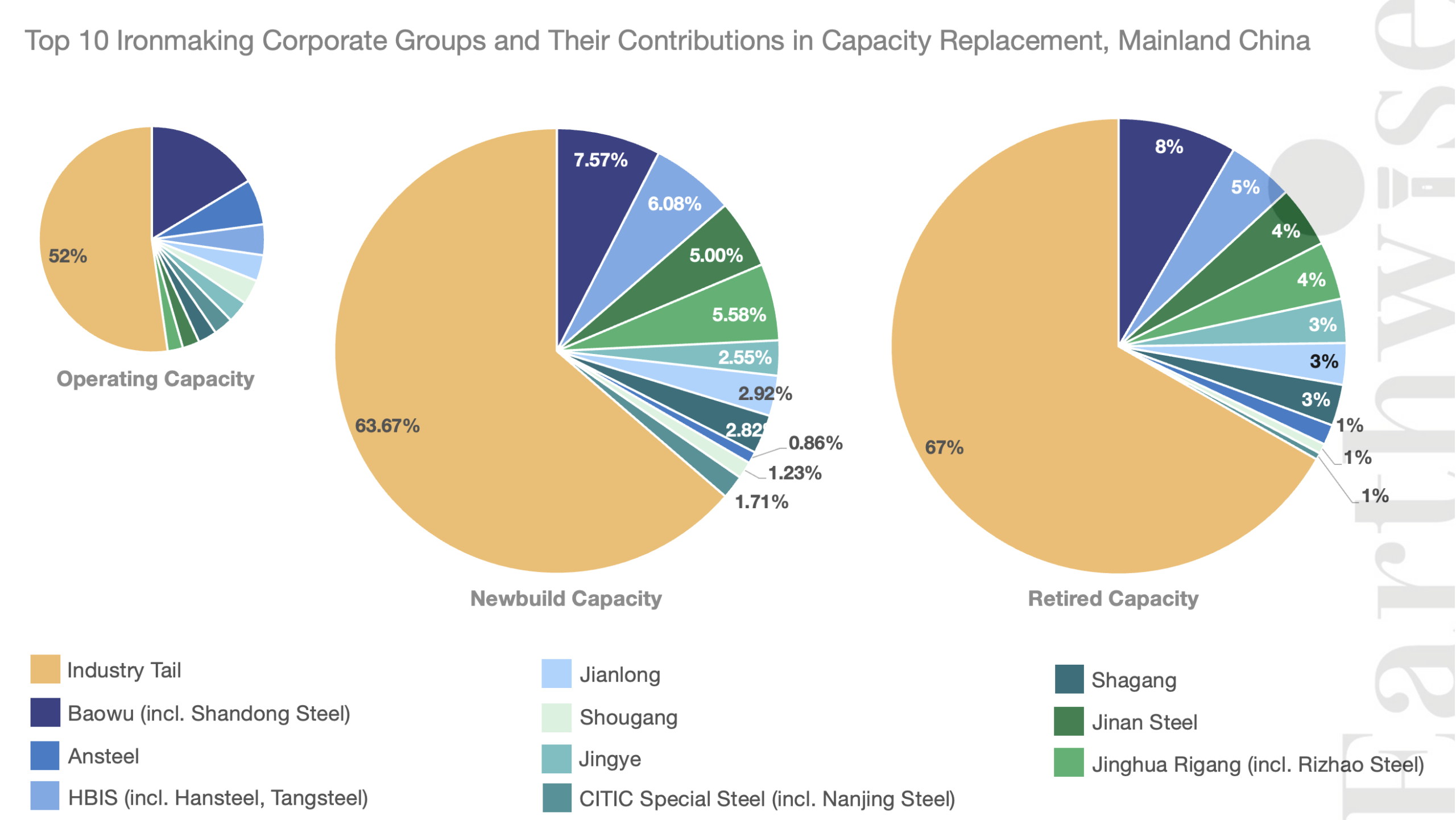
Corporate groups outside the top ten hold roughly 1/2 of operating capacity but account for 2/3 of retired capacity under Capacity Replacement Scheme, indicating that smaller and non-leading groups carry a disproportionate share of facility retirement. Lead ironmakers retire less than their market shares.
Read the full analysis on Corporate Landscape:
China’s Ironmaking Corporate Landscape: Concentration, Capacity Replacement and Retirement
5.
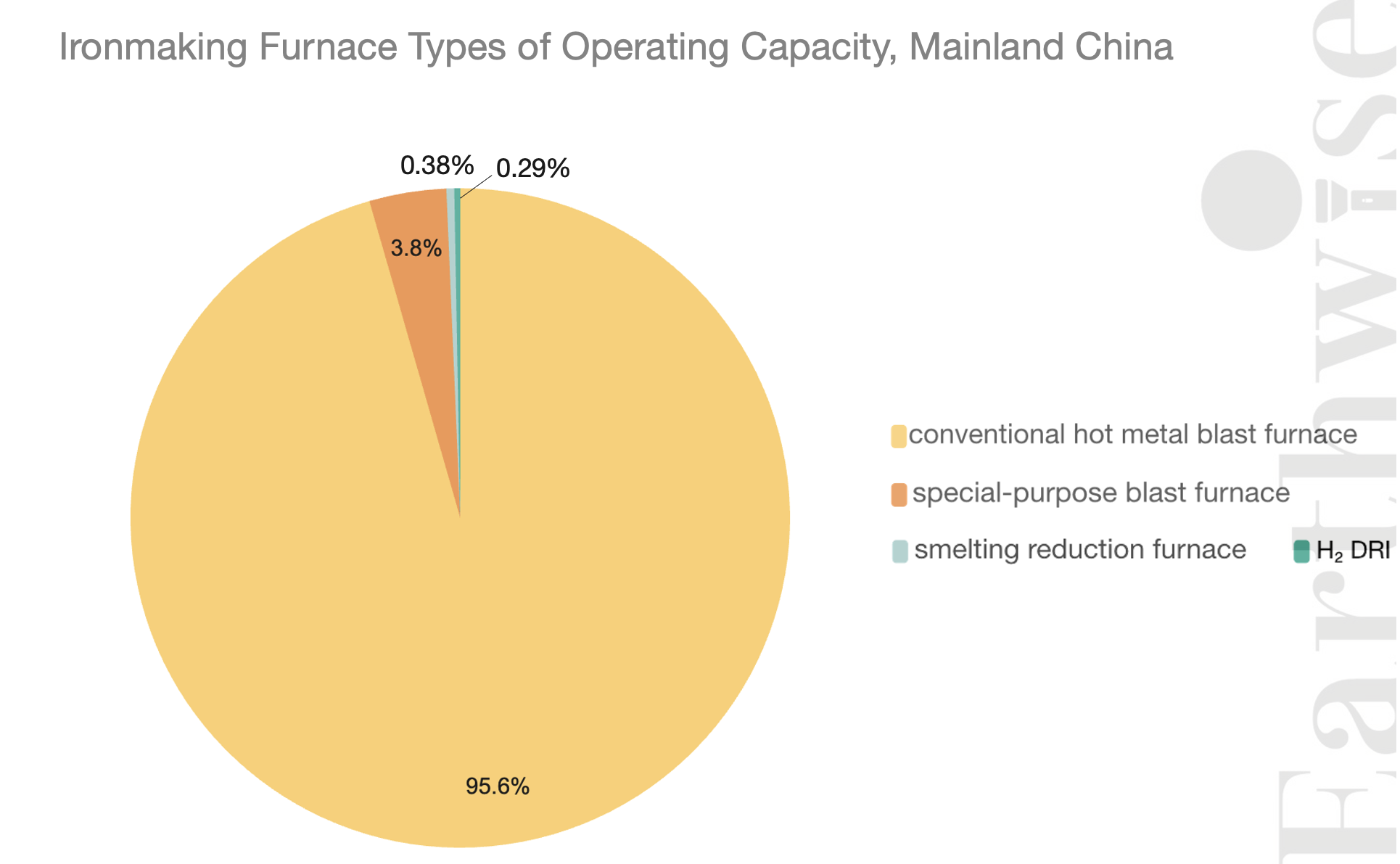
Conventional blast furnaces represent more than 99% of operating capacity. H₂ DRI and smelting-reduction routes remain below 1% of the capacity, and is expected to grow slightly to around 1.5%, if all projects in pipeline reach commission.
Read the general analyses on China’s ironmaking fleet:
China’s Ironmaking Fleet: Status, Structure and Capacity Replacement
Methodology
Read the methodology of blast furnace transition window estimation & financial feasibility estimation:
Methodology - Estimating Blast Furnace Transition Windows
All Insight Articles of this Project:
1. general analyses on China’s ironmaking fleet:
China’s Ironmaking Fleet: Status, Structure and Capacity Replacement
2. analysis on blast furnace transition windows:
China’s Blast Furnace Transition Windows: Timing Green Upgrade and Phase-out Decisions
3. analysis on China's progress in Capacity Replacement Scheme:
China’s Ironmaking Capacity Replacement: Progress, Technology and Remaining To-dos
4. analysis on ironmaking corporate landscape:
China’s Ironmaking Corporate Landscape: Concentration, Capacity Replacement and Retirement
5. analysis on China's green ironmaking techs applications:
China’s Green Ironmaking Transition: Technology Uptake and Emerging Alternatives
Previous Highlight Outputs:
Indonesia Power Summary, Part 3
Renewables and Energy Transition
>>>Read More
Other Projects:
Core Industrial Development In Asia and the Middle East
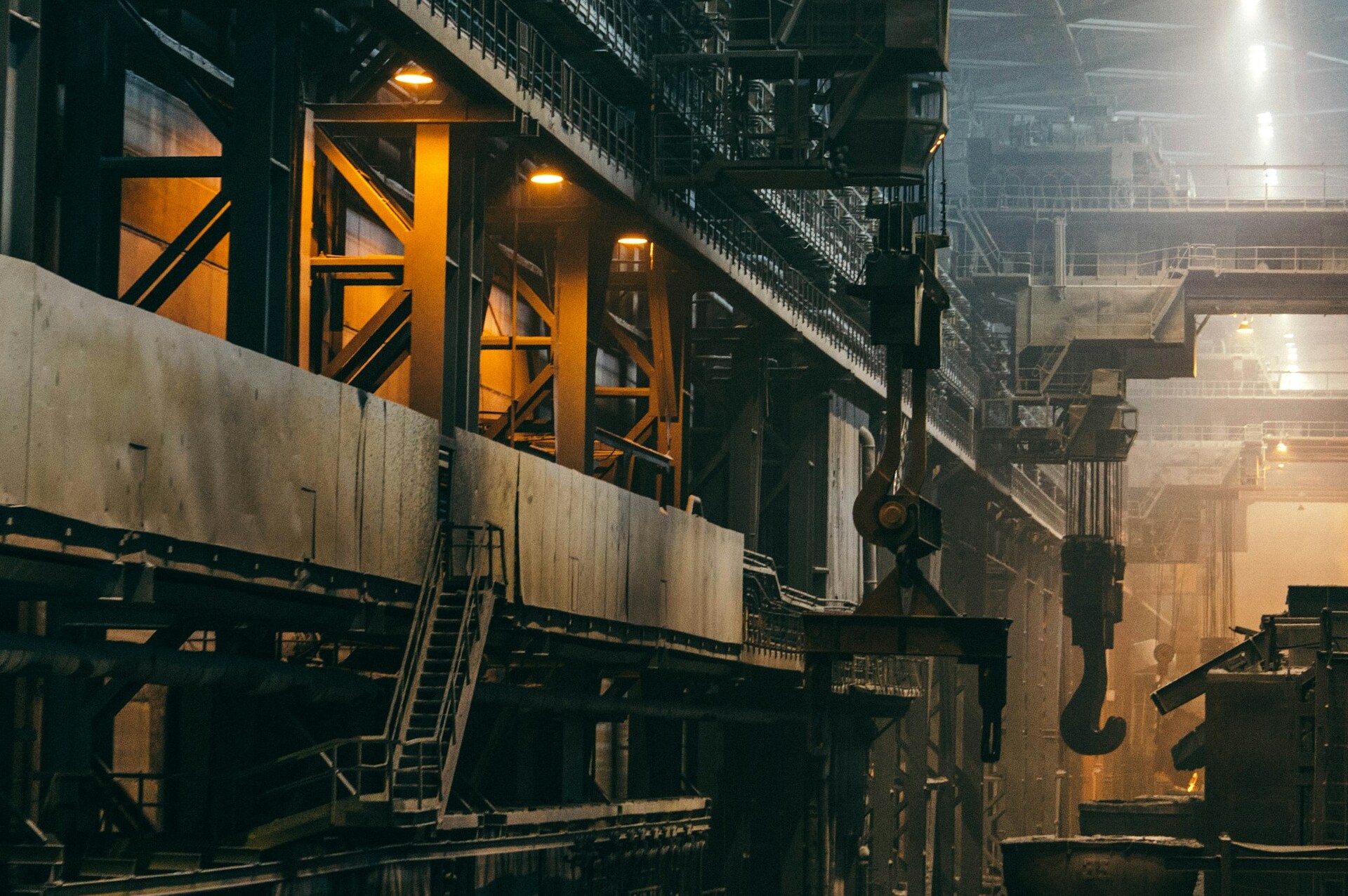
Research on decarbonization pathways in metals, cement, petrochemicals, and large-scale manufacturing, with a focus on asset-level industrial systems.
Climate Tech Lookbook
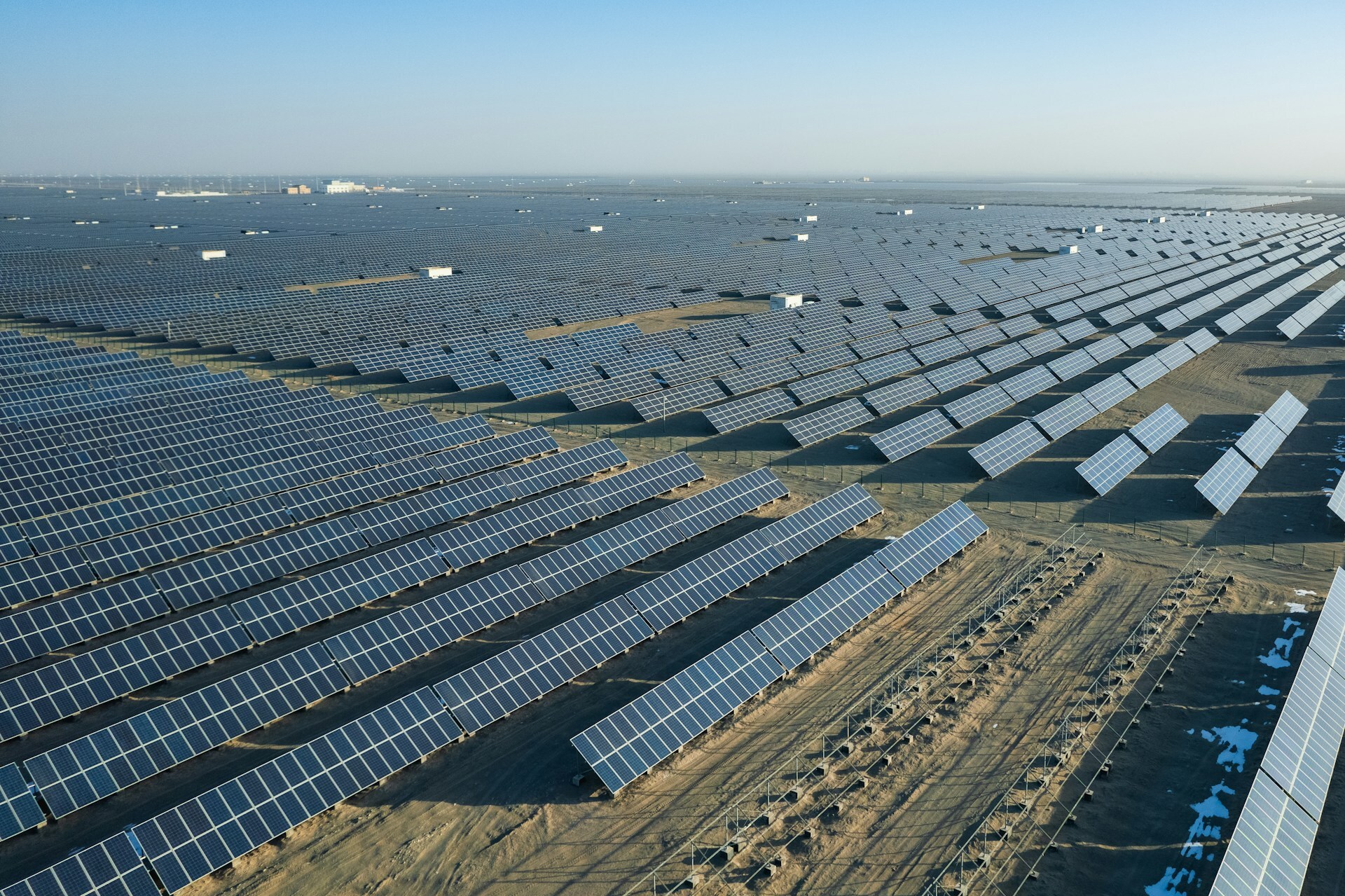
A structured research platform tracking and classifying climate-relevant technologies across major economic sectors.
Indonesia Power Summary
Looking into Indonesia’s special power structure, identifying opportunities and difficulties to phase-out coal.

The only official website of Earthwise Institute is https://earthwise.institute/
Any other website, domain, or online presence claiming to represent Earthwise Institute, including https://earthwiseinstitute.org/, is unauthorized and not affiliated with us.
Earthwise Institute is not responsible for any content, communications, requests, or representations made through unauthorized sites.
Copyright © 2026. Earthwise Institute All Rights Reserved.