
This is one of the insight articles of Earthwise Institute's research project - Ironmaking Asset Transitional Windows, as part of the research series - Industrial Asset Transitional Reinvestment. View the full project content
What the data shows
China’s ironmaking fleet remains dominated by operating conventional blast furnaces, while capacity replacement is retiring smaller legacy assets, consolidating capacity into larger units, and concentrating the next major reinvestment cycle in the late 2030s.
Key highlights
- Current operating fleet: As of June 2026, 725 ironmaking units with 923.65 million metric tonnes per annum (mmtpa) are operating, or under overhaul and expected to return to service.
- Capacity replacement: By May 17 2026, 755 ironmaking units have been identified in participating in China’s capacity replacement scheme, involving 748.27 mmtpa of capacity. 495 ironmaking units of 374.01mmtpa had been planned for retirement under Capacity Replacement Scheme. Based on identified projects, the ratio of retired capacity to newbuild capacity is 1.06:1.
- Furnace structure: Conventional blast furnaces represent more than 99% of operating capacity; H₂ Direct Reduced Iron (DRI) and smelting-reduction routes remain below 1%.
- Main transition window: The period of 2034-2041 forms the most concentrated annual transition window, with more than 50 mmtpa of capacity reaching estimated relining windows each year and a peak of 86.05 mmtpa in 2039. The period of highest transition potential overlaps with China’s 17th Five-Year Plan (FYP) period.
Status of Ironmaking Units
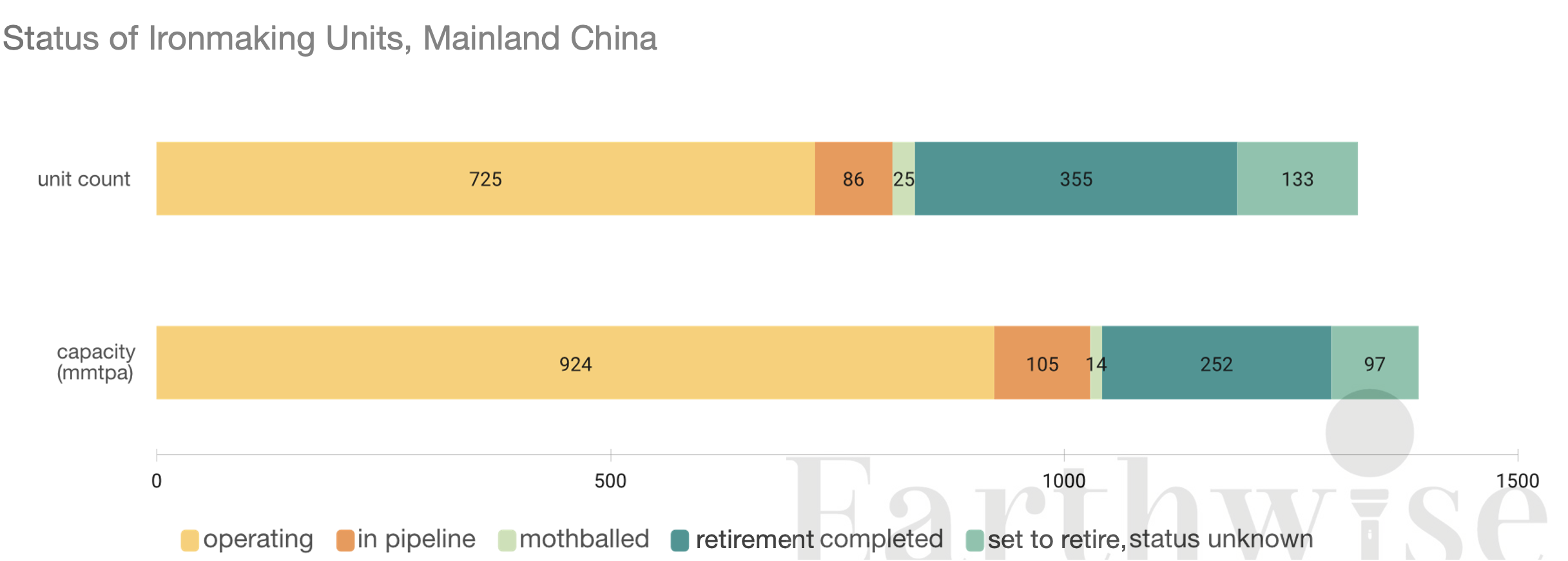
Figure 1: Status of Ironmaking Units, Mainland China
*Remarks: “Operating” in this figure includes operating units as well as units that are currently under overhaul and will resume operation right after the completion of overhaul. A total of 17 units with a capacity of 32.09 mmtpa (million metric tonnes per annum) under overhaul has been included. “In pipeline” in this figure includes units that are in status of announced, pre-construction as well as under construction.
As of May 2026, there are 725 ironmaking units with 923.65 mmtpa total capacity operating in Mainland China, including 17 units under overhaul with 32.09 mmtpa that are expected to resume operation after completion.
A further 86 units with 104.93 mmtpa were in the pipeline, including announced, pre-construction, and construction-stage projects. This is equivalent to around 11% of current operating capacity, indicating continued ironmaking asset renewal and new project commissioning over the coming years.
Among units with operating records since 2017, 488 units with 348.67 mmtpa had entered the retirement process, regardless of their participation in the Capacity Replacement Scheme. Of these, 355 units with 251.96 mmtpa had completed retirement through permanent closure or demolition. A further 133 units with 96.70 mmtpa had been identified for retirement, but their final status could not yet be confirmed.
A substantial volume of historical ironmaking assets since 2017 has been retired via the Capacity Replacement Scheme. Units retired or planned for retirement account for around 37% of all units but only around 25% of total capacity, indicating the retirements being concentrated among smaller units. Pipeline capacity should mainly be understood as asset renewal, consolidation, and replacement. Under China’s capacity replacement framework introduced in 2017, new ironmaking capacity is generally expected to correspond to the retirement of older capacity, keeping total national capacity broadly stable or lower.
Status Breakdown of Operating Ironmaking Capacity
Table 1: Status Breakdown of Operating Ironmaking Units, Mainland China
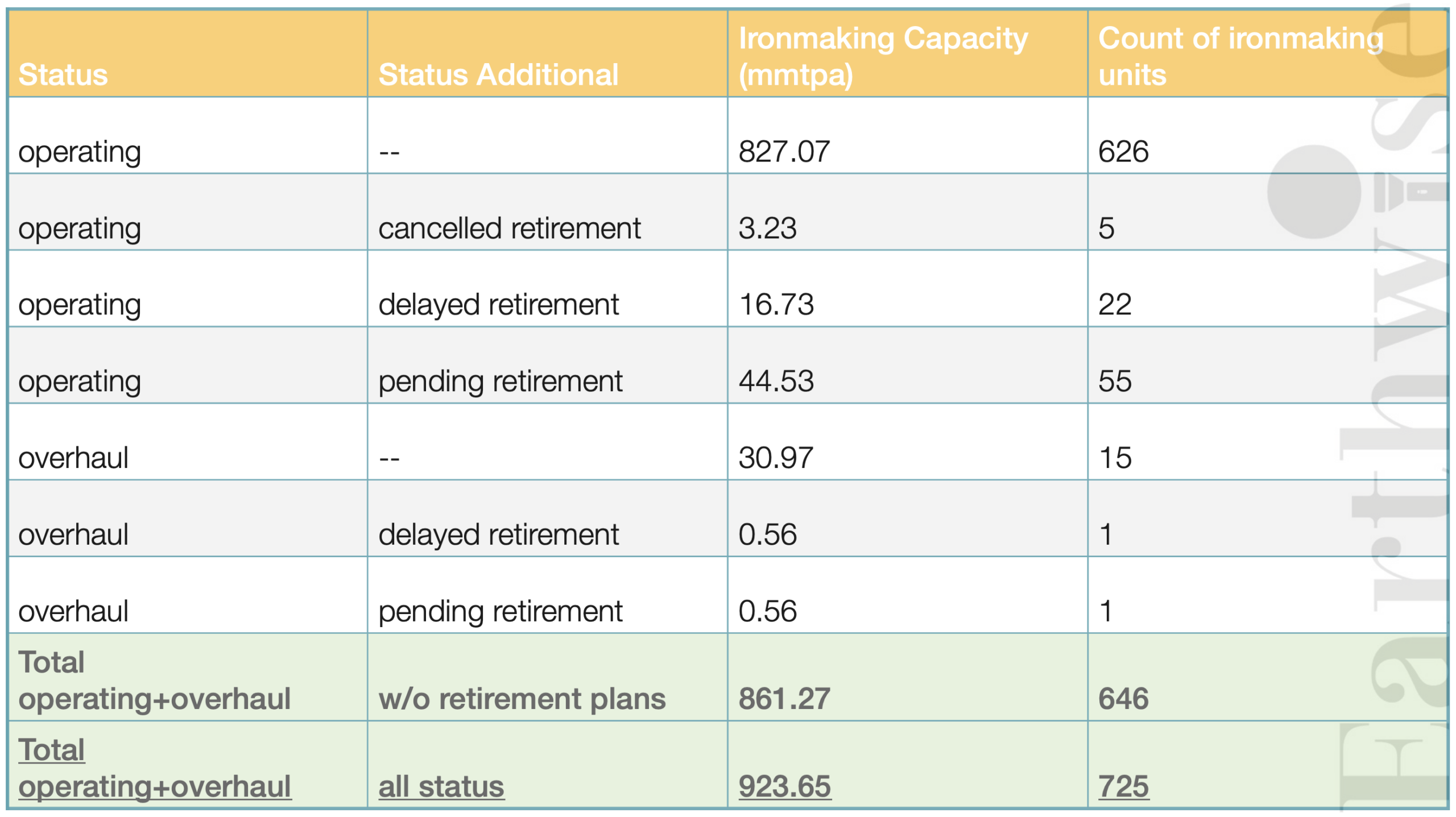
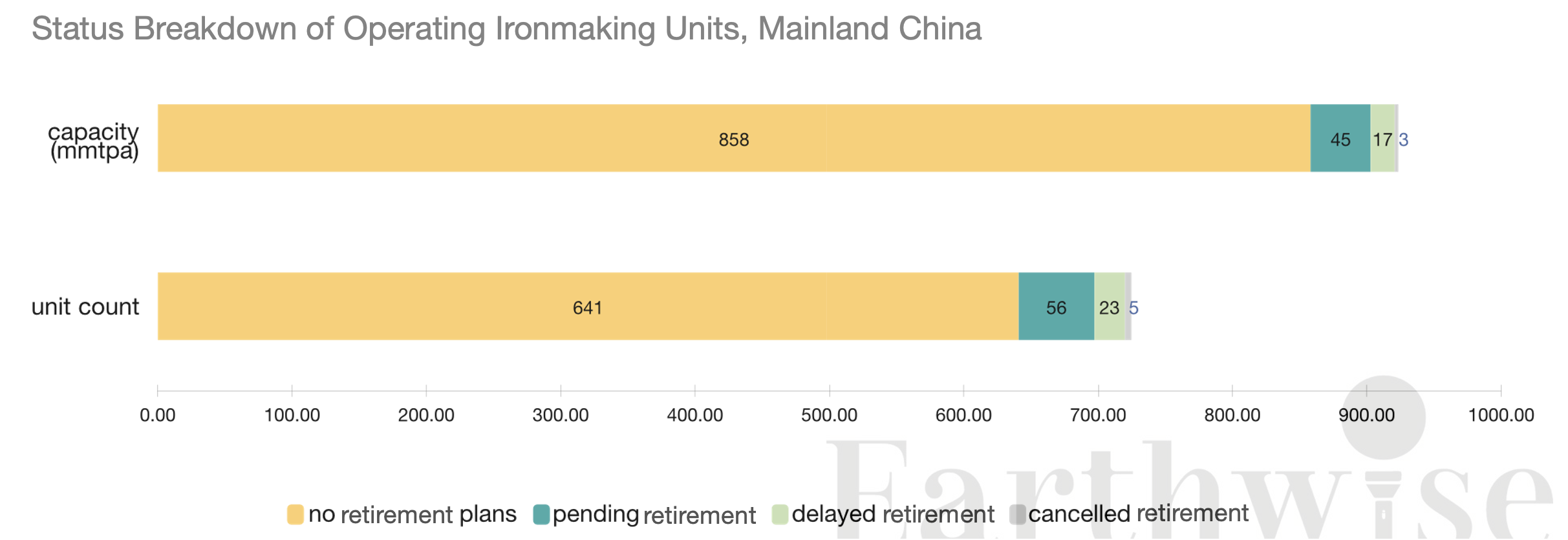
Figure 2: Status Breakdown of Operating Ironmaking Units, Mainland China
*Remarks: “Operating” in this figure includes operating units as well as units that are currently under overhaul and will resume operation right after the completion of overhaul. A total of 17 units with a capacity of 32.09 mmtpa under overhaul has been included.
Current operating capacity is mainly held by units without pending retirement arrangements. This group includes 646 units with 861.27 mmtpa, accounting for 93.2% of operating capacity. Most of this capacity consists of units commissioned after the implementation of the capacity replacement scheme, as discussed in the insight article China’s Ironmaking Capacity Replacement: Progress, Technology and Remaining To-dos, and has not yet reached the next replacement or retirement cycle.
A total of 63.28 mmtpa remained in operation despite having a defined retirement pathway. Of this, 45.09 mmtpa was classified as pending retirement, meaning that units had been included in retirement plans but had not yet reached the scheduled retirement date. Another 17.29 mmtpa was classified as delayed retirement, meaning that the original retirement date had passed but retirement was postponed. The pending retirement category accounts for around 70% of this capacity.
Identified capacity under pending and delayed retirement plans (63.28 mmtpa) is lower than total pipeline capacity (104.93 mmtpa). This gap mainly reflects announced projects for which corresponding replacement retirement arrangements have not been disclosed, or for which available public information is insufficient to match new units with specific retiring units, including some early-stage Hydrogen or other green ironmaking projects.
Ironmaking Furnace Types
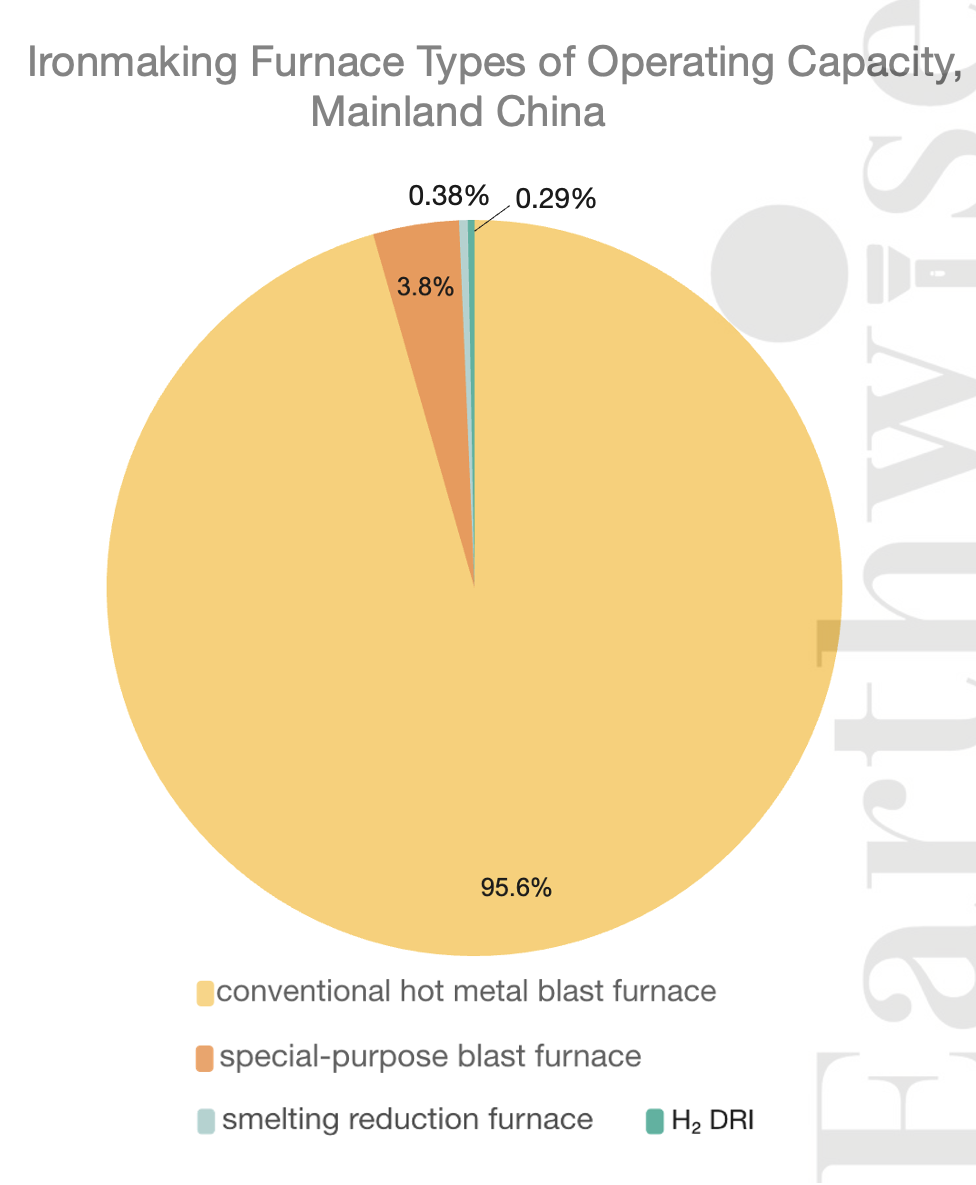
Figure 3: Ironmaking Furnace Types of Operating Capacity, Mainland China
*Remarks: the category of “special-purpose blast furnace” includes furnace types of: foundry pig iron blast furnace, ferromanganese blast furnace, manganese rich slag blast furnace, nickel chromium pig iron blast furnace, VTM blast furnace and NPI blast furnace. The category “H₂ DRI” includes furnace types of: H₂ DRI fluidized bed, H₂ DRI rotary hearth furnace, H₂ DRI rotary kiln and H₂ DRI shaft furnace. A detailed breakdown of H₂ ironmaking units can be found in the insight article: China’s Green Ironmaking Transition: Technology Uptake and Emerging Alternatives
*Remarks II: “Forecasted” refers to a scenario in which all pipeline and under-construction units reach commissioning, while all pending and delayed retirement units complete their retirement process. As some pipeline projects, including a number of hydrogen-based or other green ironmaking projects, have been announced without publicly identified corresponding replacement retirement units, the actual future breakdown of furnace types may vary slightly from this scenario.
As of May 2026, China’s ironmaking capacity remained almost entirely based on conventional blast furnace routes. Conventional hot metal blast furnaces accounted for 645 units with 882.58 mmtpa, while special-purpose blast furnaces accounted for 68 units with 34.84 mmtpa. Together, these categories represented more than 99% of operating capacity. In comparison, green alternative routes remained limited in scale: smelting reduction furnaces and H₂ DRI units together accounted for less than 1% of operating capacity. Although these routes cover a range of technology pathways, they have not yet materially changed the overall furnace structure.
Under a scenario in which all identified pipeline projects are commissioned and all planned retirement are completed, green alternative routes would expand. Smelting reduction capacity would increase to 5.63 mmtpa and H₂ DRI capacity to 8.64 mmtpa, while the number of relevant units would increase from 12 to 30. Their overall share would nevertheless remain limited (around 1.5%), and conventional blast furnaces would continue to dominate. This forecasted scenario is based on publicly identified projects and retirement arrangements; as some projects do not yet have clearly identified replacement relationships, the actual future furnace-type structure may vary.
Newbuild and Retirement under the Capacity Replacement Scheme
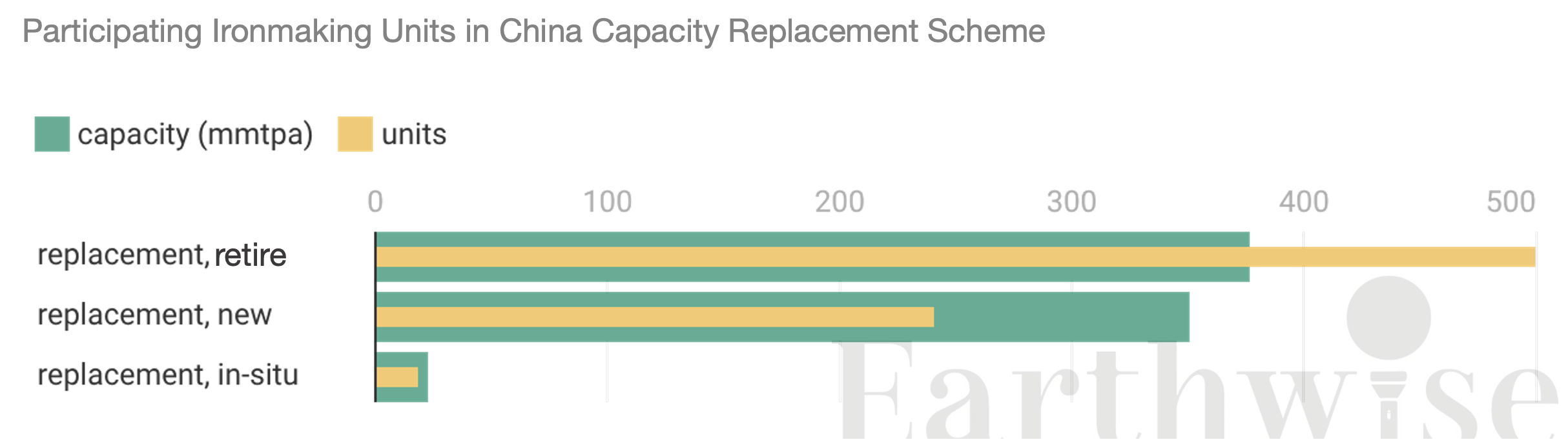
Figure 4: Participating Ironmaking Units in China Capacity Replacement Scheme
*Categories:
replacement, in situ: The ironmaking unit participates in the capacity replacement scheme through campaign replacement, overhaul/relining, expansion, relocation, or other in-situ reconstruction and technological modification processes, where the replacement phase-out and replacement newbuild components correspond to different versions or stages of the same furnace asset rather than separate facilities;
replacement, new: The ironmaking unit participates in the capacity replacement scheme as a newly established project;
replacement, retire: The ironmaking unit participates in the capacity replacement scheme as a retired project.
Table 2: Participating Ironmaking Units in China Capacity Replacement Scheme (till May 17, 2026)
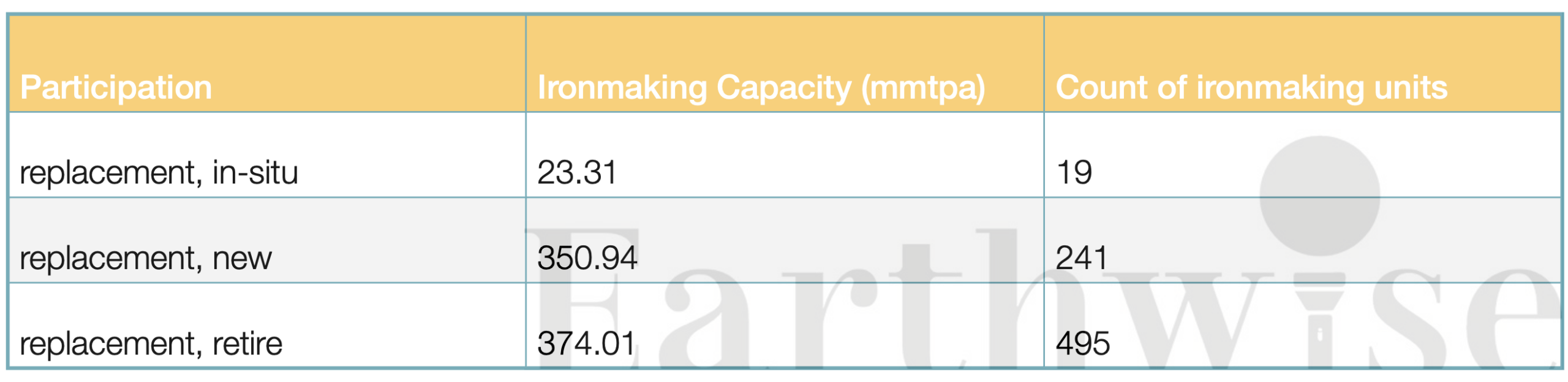
*Remarks: a small number of new projects commissioned since 2018 are not included because no capacity replacement information could be identified. Some were approved before the implementation of the capacity replacement scheme, while others may still have participated in replacement arrangements but could not be confirmed from public information.
As of 17 May 2026, there have been 755 ironmaking units participating in China’s capacity replacement scheme, involving 748.27 mmtpa of capacity. This includes 495 replacement retirement units with 374.01 mmtpa, 241 replacement newbuild units with 350.94 mmtpa, and 19 in-situ replacement units with 23.31 mmtpa. By unit count, retired units account for around two-thirds of participating units. By capacity, retired and newbuild projects are broadly similar in scale, forming the main pathway for ironmaking capacity renewal.
The replacement process also shows clear equipment upscaling. The average capacity of retired blast furnaces was 0.75 mmtpa per unit, compared with 1.46 mmtpa per unit for newbuild blast furnaces. Newbuild furnaces were therefore 1.94 times larger on average.
Based on identified projects, the ratio of retired capacity to newbuild capacity is 1.06:1**. This is close to the minimum replacement requirement for non-key regions under China’s capacity replacement rules. The ratio may be slightly underestimated, as some new projects have been announced or commissioned without publicly disclosed or identifiable corresponding retired units and are therefore not included in the matching exercise. Overall, identified replacement projects show an update pathway based on capacity reduction, larger furnace sizes, and greater capacity concentration.
**Ratio of Retired vs. Newbuild Capacity = Capacity (in-situ + retired) / Capacity (in-situ + new)
Table 3. Capacity Replacement Ratios under China’s Steel Capacity Replacement Rules
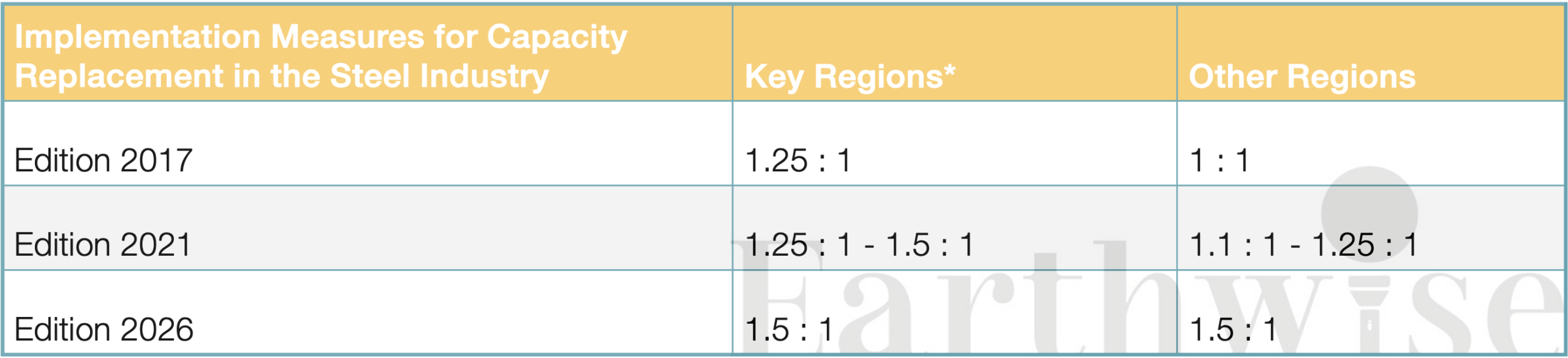
*Remarks: Key regions generally include priority air-pollution control areas such as the Beijing-Tianjin-Hebei region, the Yangtze River Delta, and the Pearl River Delta. The scope of key regions has expanded over successive editions of the implementation measures.
Source of Implementation Measures: e2017, e2021, e2026
Transition Windows
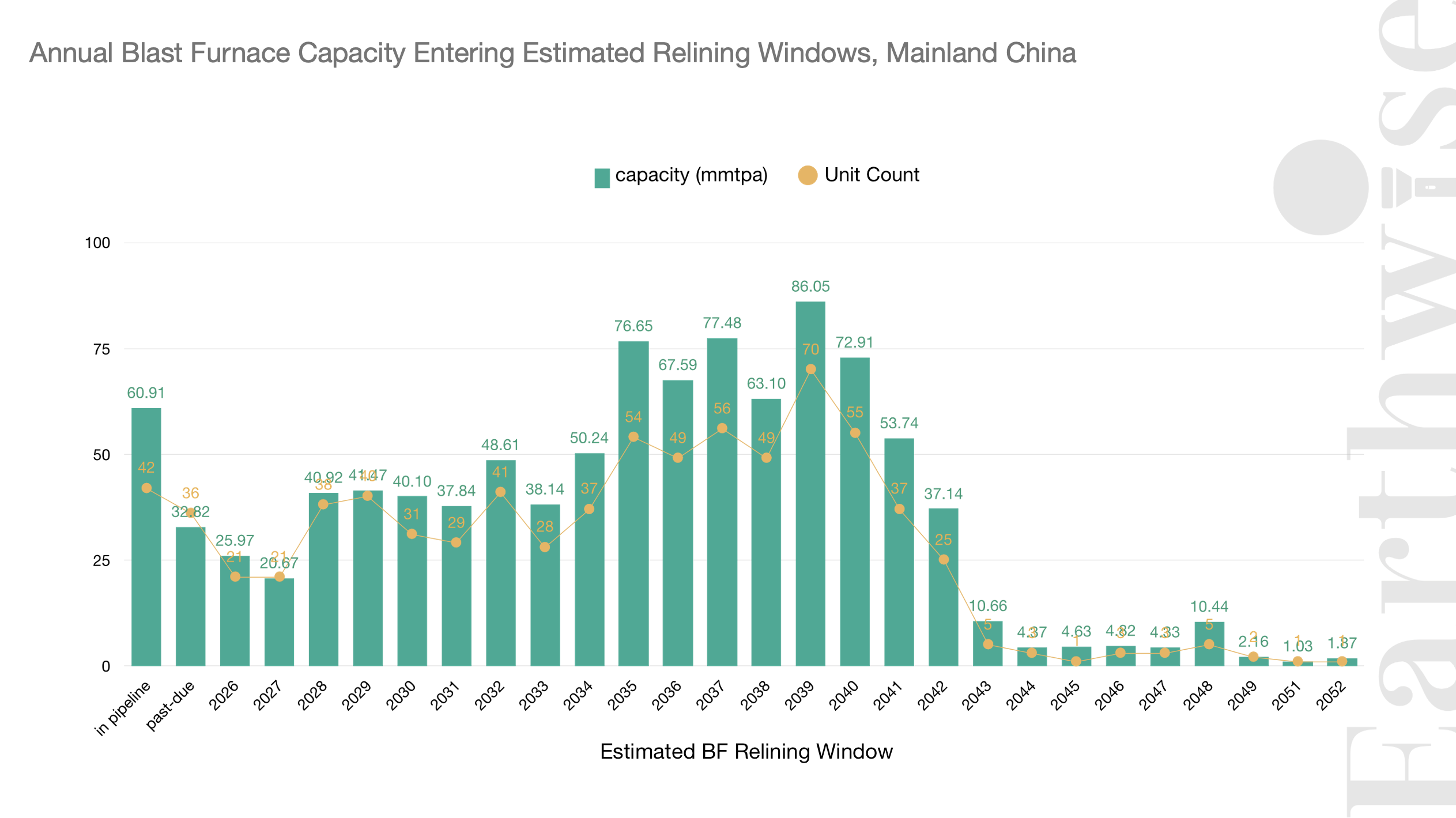
Figure 5: Annual Transition Windows of Blast Furnaces, Mainland China
The period of 2034-2041 forms the most concentrated annual transition window, with more than 50 mmtpa of capacity reaching estimated relining windows each year and a peak of 86.05 mmtpa in 2039. The 17th Five year Plan (FYP) period of China overlaps with the period of highest transition potential, with 279 blast furnaces and 367.14 mmtpa of conventional blast furnace capacity estimated to reach their next major relining window.
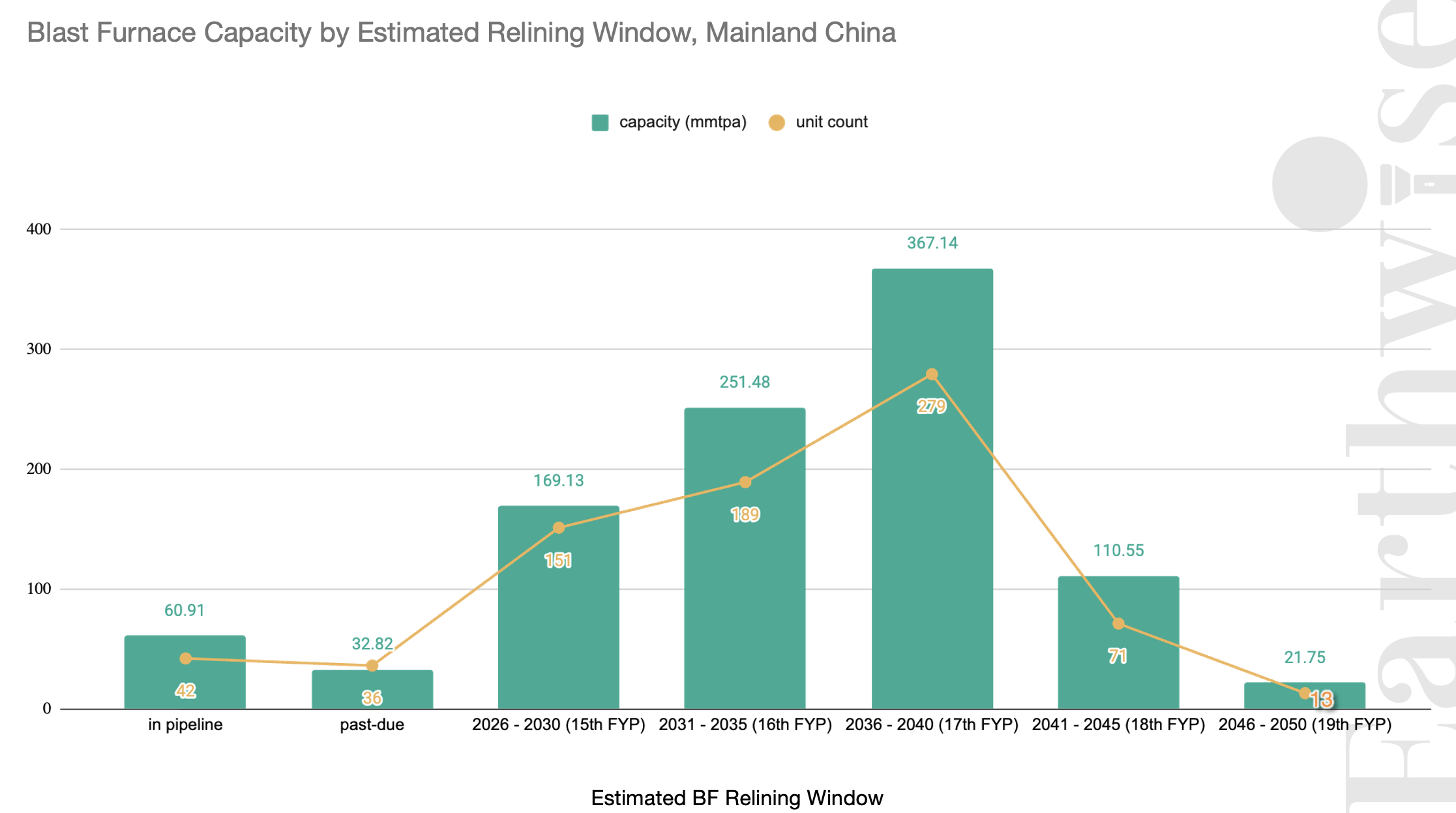
Figure 6: Transition Windows of Blast Furnaces by FYP, Mainland China