
This is one of the insight articles of Earthwise Institute's research project - Ironmaking Asset Transitional Windows, as part of the research series - Industrial Asset Transitional Reinvestment. View the full project content
What the data shows
China’s ironmaking transition remains centred on upgrading the conventional blast furnace fleet, while low-emission alternative routes, hydrogen applications, and CCS/CCUS are expanding from a small base, with relatively few units and limited capacity to date.
Key highlights
- Capacity replacement remains conventional blast furnace-led: Conventional blast furnaces account for 97.3% of identified new ironmaking capacity since 2018, while low-emission alternative routes account for only around 2.7%.
- Low-emission alternative technology choices: China has identified 30 low-emission alternative ironmaking units with 13.27 mmtpa (million metric tonnes per annum) of capacity. H₂ Direct Reduced Iron (DRI) shaft furnaces and smelting-reduction furnaces together account for around 84% of this capacity.
- Geographic concentration of low-emission alternatives: Xinjiang and Inner Mongolia host the largest share of low emission ironmaking projects, reflecting renewable-energy, hydrogen, and resource advantages.
- Technology deployment varies by purpose: Energy-recovery technologies such as TRT/BPRT and air pollution control measures such as ultra-low emission retrofits are widely adopted, while smart blast furnace management is progressing at a moderate level. Technologies targeting deeper carbon-emissions reductions, including H₂ DRI and CCS/CCUS, remain at an earlier stage of deployment.
- Hydrogen-related capacity remains dominated by BF-based applications: Conventional blast furnace projects account for around 78% of capacity associated with identified hydrogen applications, while H₂ DRI accounts for around 20%. H₂ DRI projects are generally smaller in scale, and large-scale operational experience remains limited.
Furnace Types after Capacity Replacement
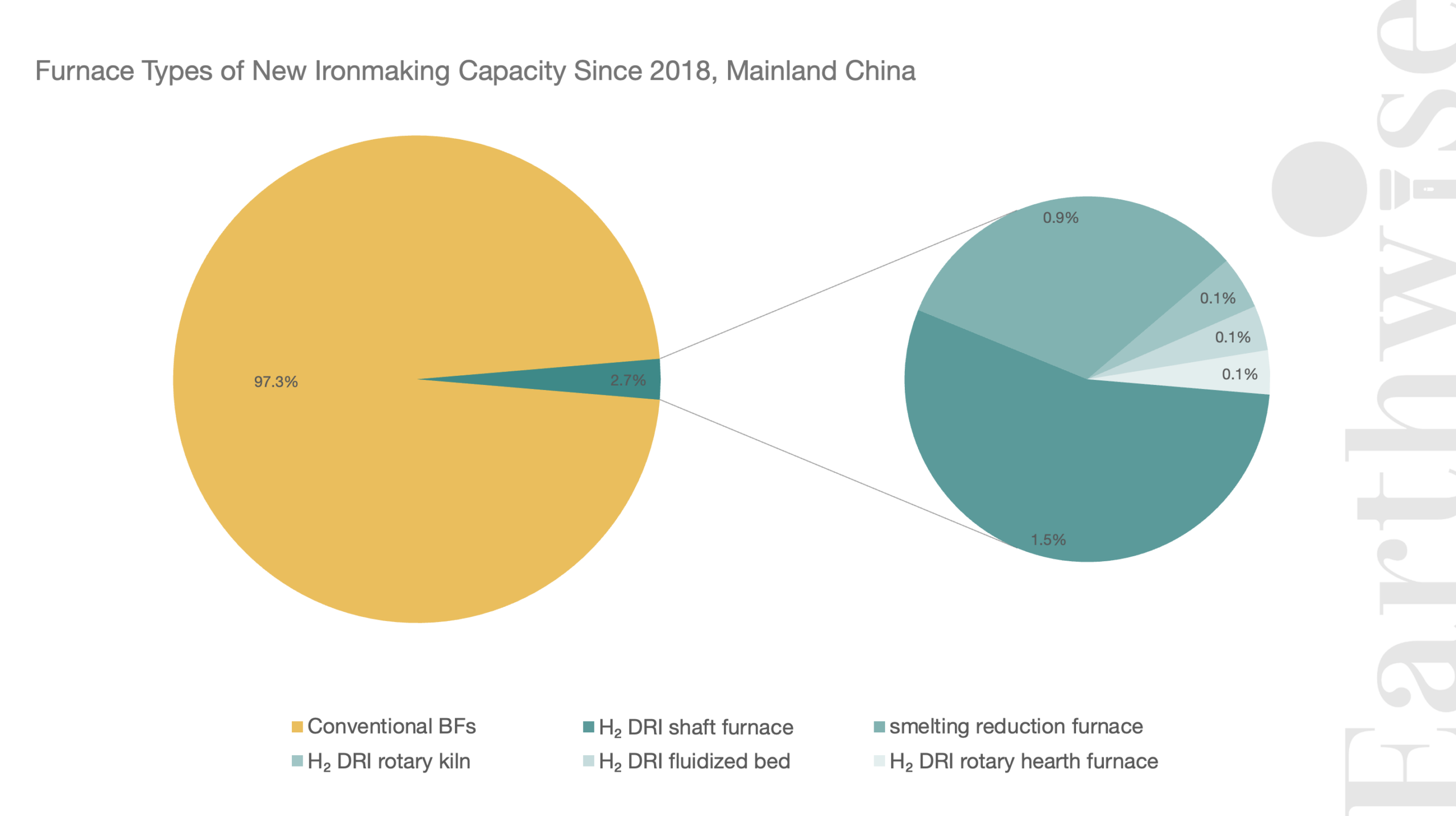
Figure 1: Furnace Types of New Ironmaking Capacity Since 2018, Mainland China
Since the implementation of China’s capacity replacement scheme, new ironmaking capacity has continued to rely almost entirely on conventional blast furnace routes. Conventional blast furnaces account for 97.3% of identified new ironmaking capacity, indicating the priority of capacity replacement as the renewal, consolidation, and upgrading of existing blast furnace assets rather than a large-scale shift in ironmaking technology.
Low-emission alternative routes account for only around 2.7% of new capacity. H₂ DRI is the largest low-emission alternative, representing around 1.8% of new capacity and led by H₂ DRI shaft furnaces, which account for around half of low-emission alternative capacity. The remainder includes H₂ DRI rotary kilns, fluidized beds, rotary hearth furnaces, and smelting reduction furnaces. Low-emission alternative technologies have begun to feature in new projects, but they have yet to alter the dominant role of conventional blast furnaces in capacity replacement decisions.
Overview of Low-emission Alternative Ironmaking Units
Table 1: All Low-emission Alternative Ironmaking Units, Mainland China:
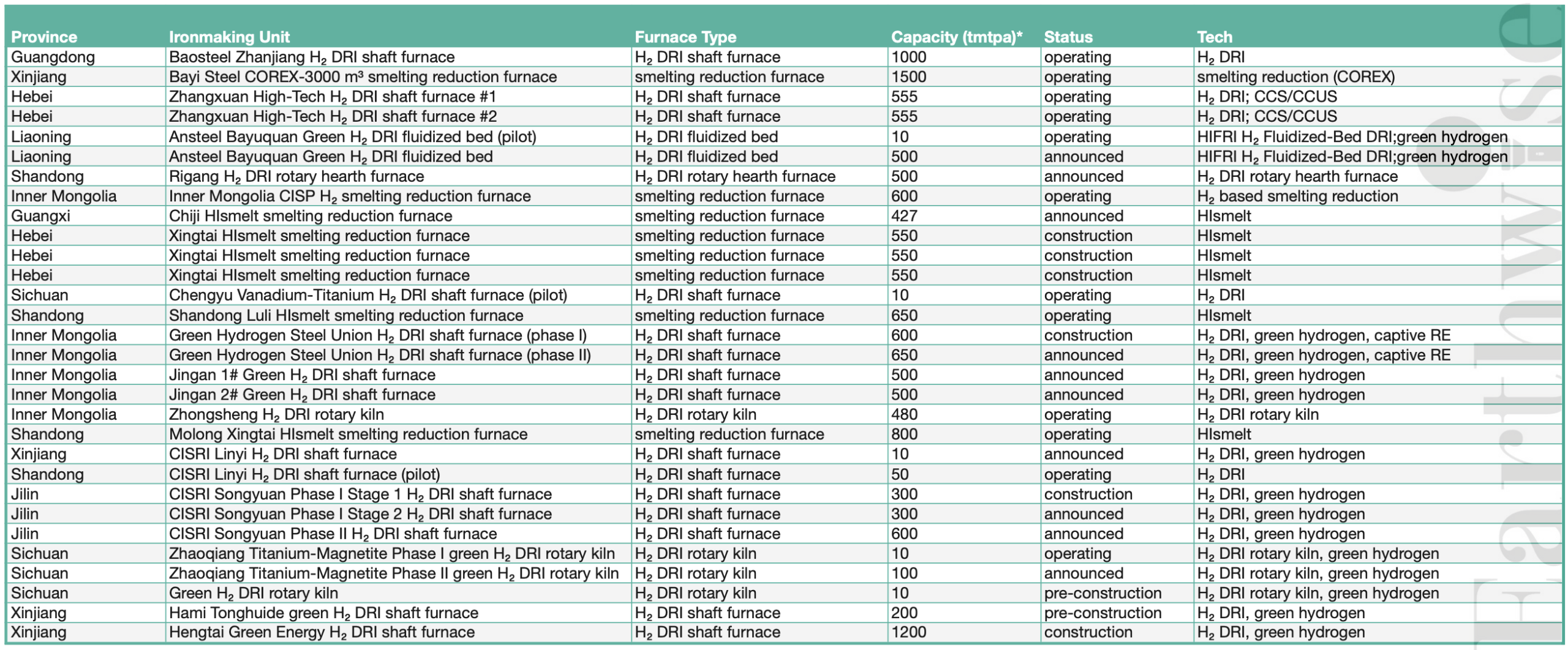
*tmtpa: thousand metric tonnes per annum
China currently has 30 identified low-emission alternative ironmaking units across operating, construction, and planned stages, with combined capacity of 13.27 mmtpa (million metric tonnes per annum). More than half of these projects, representing 18 units and 7.05 mmtpa, have not yet been commissioned. Twelve units with 3.30 mmtpa remain at the announced or pre-construction stage. Low-emission alternative ironmaking has therefore established an initial operational base, but its future expansion will depend heavily on the successful delivery of projects currently under construction and in the early pipeline.
H₂ DRI shaft furnaces and smelting reduction furnaces are the two largest low-emission alternative routes, together accounting for around 84% of identified low-emission alternative capacity. A relatively large share of smelting reduction capacity is already operating, while H₂ DRI, particularly shaft furnace projects, forms the main source of future additions. Fluidized-bed, rotary hearth, and rotary kiln routes remain smaller in scale and are mainly deployed through pilot, demonstration, or early commercial projects.
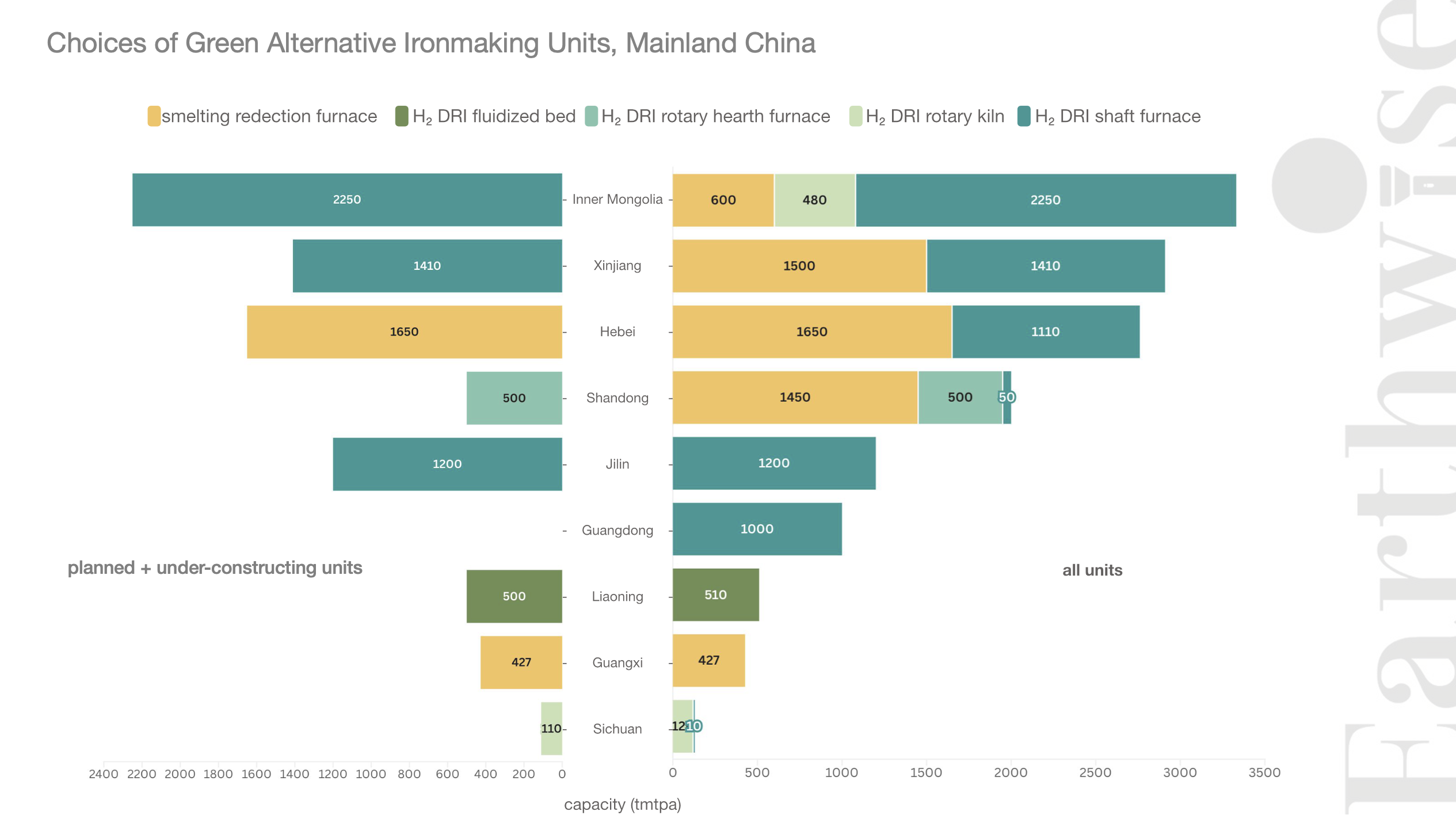
Figure 2: Choices of Low-emission Alternative Ironmaking Units, Mainland China
Low-emission alternative projects are concentrated in Xinjiang, Hebei, Inner Mongolia, and Shandong, which together account for nearly 80% of identified low-emission alternative ironmaking capacity. Hebei and Shandong represent technology upgrading within established steel-producing regions, while Xinjiang and Inner Mongolia host a larger share of hydrogen-based and smelting reduction projects. This creates a dual location pattern: conventional steel centres on one hand, and regions rich in renewable-energy, hydrogen, or resource advantages on the other.
Environmental and Decarbonization Technology Applications
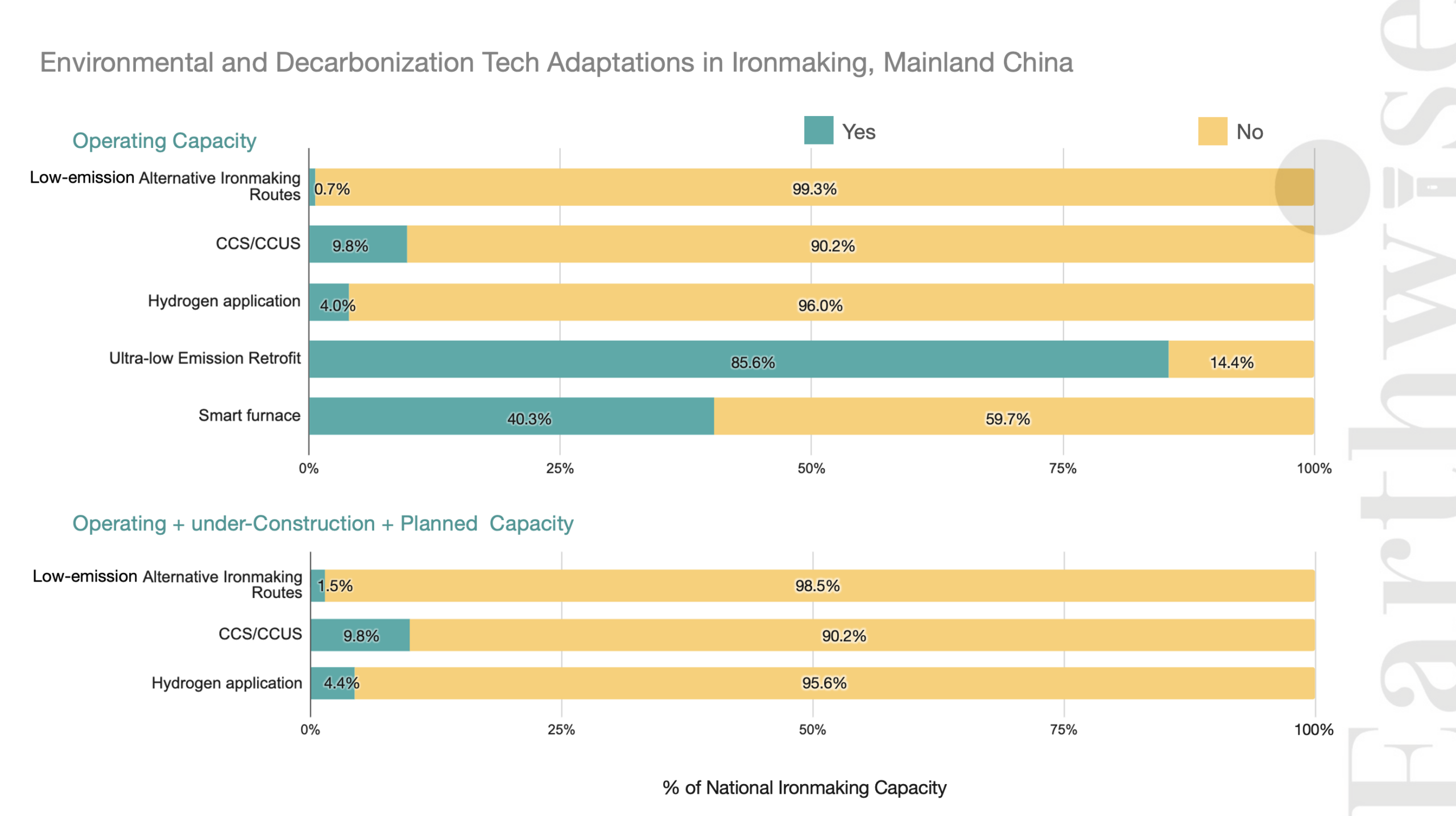
Figure 3: Environmental and Decarbonization Tech Adaptations in Ironmaking, Mainland China
*Remarks: “Hydrogen application” = “Yes” when the ironmaking unit involves any hydrogen-related applications, including Hydrogen DRI, BF-based injection and others. A detailed analysis of hydrogen use can be found in the next section.
*Remarks II: “Ultra-low emission retrofit” = “Yes” when the ironmaking unit has gone through ultra-low emission retrofit, standardized by Opinions on Promoting the Implementation of Ultra-Low Emissions in the Steel Industry, issued by Ministry of Ecology and Environment, People's Republic of China in 2019. Only retrofit applied to a specific ironmaking unit is counted for this study. Corporate level retrofits are not included in this study as they commonly refer to non-production retrofits. The retrofit refers to tech applications to production units in order to limit AIR POLLUTANTS such as particulate matter, sulfur dioxide (SO₂), and nitrogen oxides (NOₓ). Carbon emission control is not the key of this retrofit.
*Remarks III: “Smart furnace” = “Yes” when the ironmaking unit or its associated plant-level ironmaking system that applies digitalized or intelligent control technologies, including intelligent furnace control, unmanned cast-house operation, online burden/fuel detection, furnace-heat control, slag-basicity closed-loop control, intelligent hot-blast-stove combustion, or intelligent cast-house/front-end management.
Several environmental and operational technologies are already widely deployed across China’s ironmaking fleet. Energy recovery technologies, particularly TRT/BPRT, are deployed across more than 99% of China’s blast furnace fleet and are treated as mature, standard technologies for recovering energy from blast furnace operations. Air pollution control technologies, represented by ultra-low emission retrofits, cover around 85.6% of national ironmaking capacity. Digital and operational optimisation technologies, including smart blast furnace management, are present in around 40.3% of national capacity. Ultra-low emission retrofits and smart furnace applications are the two technologies receiving the greatest policy and industry attention as mainstream measures, with deployment and upgrades continuing in recent years.
Technologies associated with deeper carbon-emissions reductions remain at an early stage. Hydrogen applications have been identified across less than 1% of national ironmaking capacity, increasing to around 1.5% if all pipeline projects reach commission. These include hydrogen injection, hydrogen-enriched blast furnace upgrades, and H₂ DRI routes. CCS/CCUS deployment is also at a relatively early stage, with project activity identified for 9.8% of national capacity, including some projects at plant or company level.
Overall, technology deployment across China’s ironmaking sector remains concentrated in energy recovery, air-pollution control, and operational optimisation, while technologies aimed at deeper reductions in carbon emissions, particularly hydrogen metallurgy and CCS/CCUS, have not yet reached broad commercial deployment.
Hydrogen Applications in Ironmaking
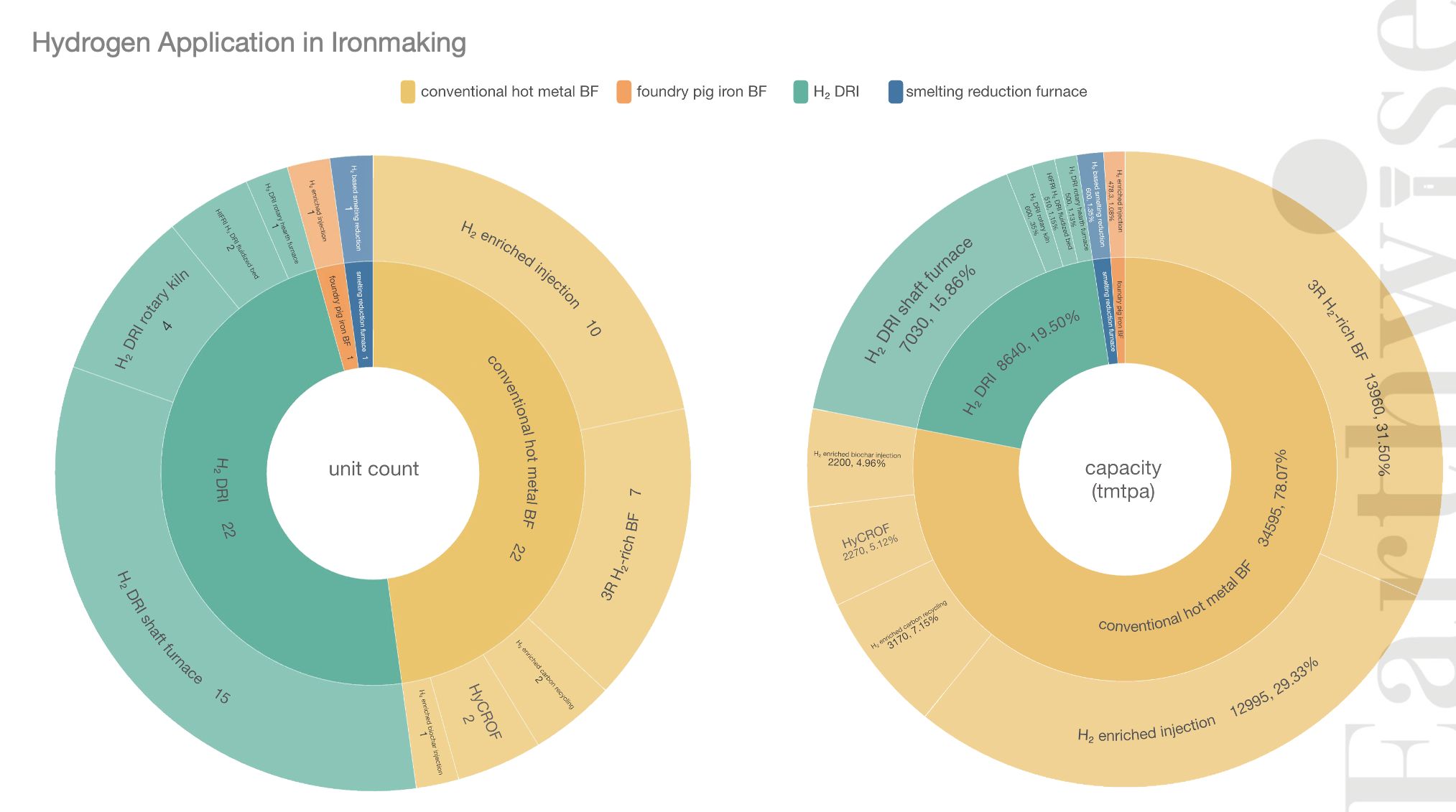
Figure 4: Hydrogen Application in Ironmaking, Mainland China
Hydrogen related activity in China’s ironmaking sector currently follows two distinct pathways: hydrogen applications within conventional blast furnaces and H₂ DRI. Among identified projects, the two pathways account for broadly similar numbers of units, with 22 units each. Their capacity profiles, however, differ substantially. Conventional blast furnace projects account for around 78% of the capacity associated with identified hydrogen applications, compared with around 20% for H₂ DRI. The majority of capacity currently associated with hydrogen therefore remains within the existing blast furnace system, while capacity based on H₂ DRI remains much more limited.
BF based hydrogen applications include H₂-enriched injection, H₂-enriched biochar injection, H₂-enriched carbon recycling, HyCROF, and 3R (Rich-hydrogen, Reduction-strengthened, Recycle-blast furnace). Among these, 3R and hydrogen-enriched injection are the largest application categories. These projects are generally applied to conventional large blast furnaces in the 1,000 - 2,000 tmtpa range, allowing individual projects to reach capacity scales comparable to mainstream hot metal blast furnaces.
H₂ DRI follows a different development pathway, with pilot projects still common. Between 2017 and June 2026, five pilots, each with a capacity of 10 tmtpa, were planned across different H₂ DRI configurations: two shaft furnaces, two rotary kilns, and one fluidized-bed project. Three of the five pilots have entered operation. Two of these operating pilots, one rotary kiln and one fluidized-bed project, have subsequently been followed by plans for larger, 100 tmtpa commercial scale projects.
The scale of non-pilot H₂ DRI projects also remains below that of much of the conventional blast furnace fleet. While the majority of China’s operating blast furnaces have capacities of 1,040 tmtpa or higher, most H₂ DRI projects have been designed at around 300 - 600 tmtpa. Only two H₂ DRI projects have capacities of 1,000 tmtpa or higher, of which one is operating. Operational experience with large-scale H₂ DRI facilities therefore remains limited.