
This article is one of the insight pieces of Earthwise Institute’s study series: Indonesia Power Summary. All data analysed during this article will also be publicly available by April 2026.
This case study article examines the successful financing experience of a captive renewable energy project within an Indonesian nickel industrial operation, providing reference for similar captive power green transition projects.
Project Entity: PT Excelsior Nickel Cobalt (ENC) HPAL-integrated Solar Project
Location: Morowali, Central Sulawesi, Indonesia (IMIP Industrial Park)
Capacity: 200MWp (expandable to 262MWp) + 80MWh BESS
Developer: PT Sumber Energi Surya Nusantara (SESNA)
Offtaker: Nickel Industries Limited (NIC)
Structure: Operating Lease and Service Agreement (OLSA)
1. Fundraising Landscape Overview
1.1 Equity Financing Pathway
Decent Resource (Decent), an entity associated with Tsingshan Holding Group, developed the ENC project prior to 2023 with 100% initial ownership. The holding structure comprised Singapore-registered Excelsior International Investment Pte Ltd (EII), which held operational rights through Indonesian subsidiary PT Fajar Metal Industry (FMI).
In September – October 2023, NIC acquired a 5.5% stake in ENC. Concurrently, PT Danusa Tambang Nusantara (United Tractors) became a substantial holder of NIC with 20% ownership. NIC utilized AUD 943 million (approximately USD 600 million) from the United Tractors placement to fund the ENC acquisition (total consideration: USD 1.265 billion) .
NIC commenced incremental stake increases in 2024: 13.75% in January, 27.5% in April, and 44% in July. In January 2026, Sphere Corp acquired 10% of ENC from Decent. NIC concurrently amended its agreement with ENC, revising the total stake target to 46% (previously 55%), with completion scheduled for March 2026.
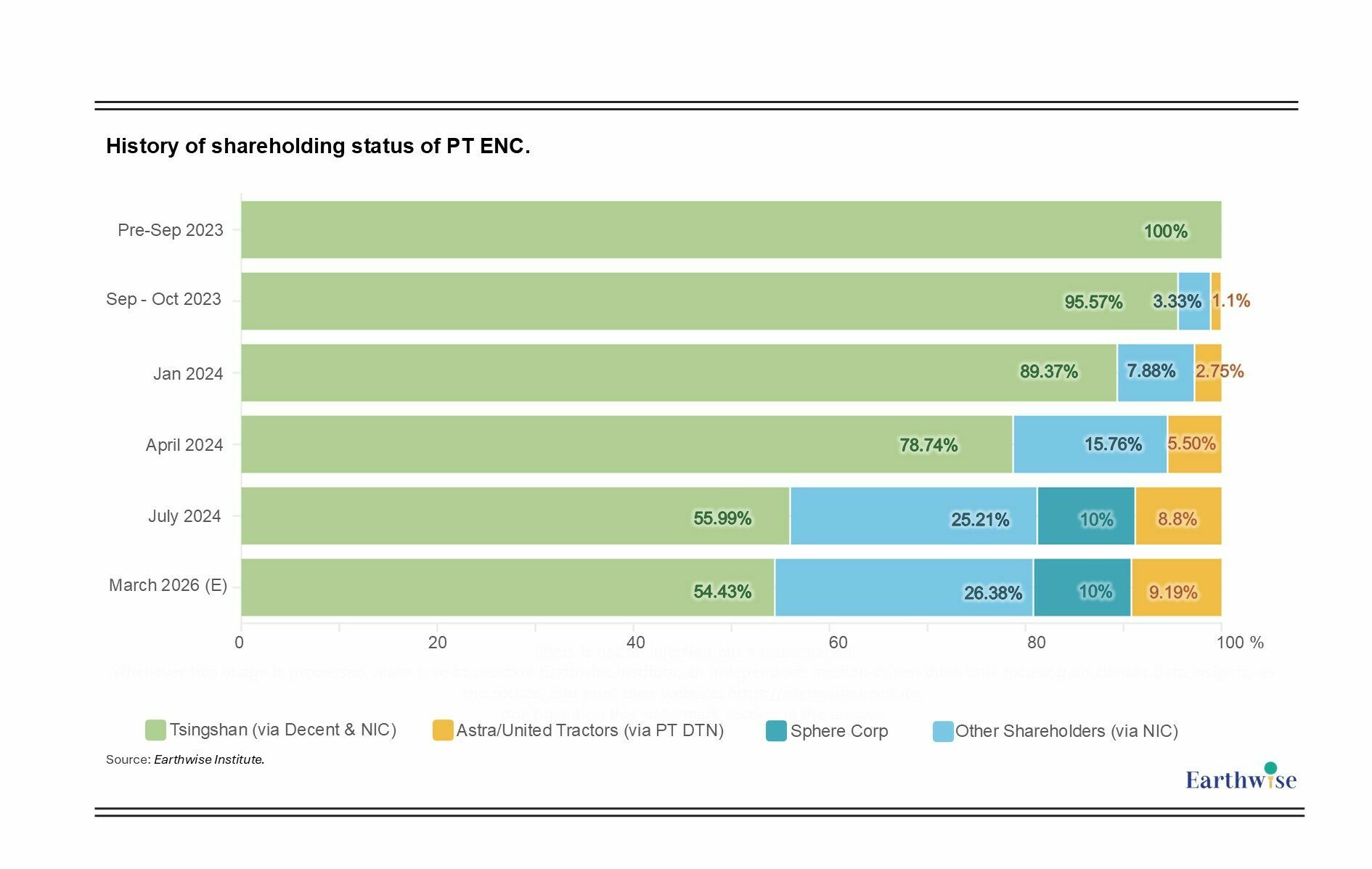
Figure 1: History of shareholding status of ENC
Source of Graph: Earthwise Institute
Source of Data: Earthwise Institute
1.2 Debt Financing
NIC served as the direct SPV for 2 project loans:
- In October 2023, NIC secured a US$400 million syndicated loan facility led by BNI, subsequently syndicated to eight additional banks in February 2024, to fund the ENC acquisition and project construction.
- In May 2024, Nickel Industries established a US$250 million term loan facility jointly provided by BNI and DBS Bank, following the repayment of its April 2024 notes, to fund the remaining ENC acquisition payments.
In January 2026, SESNA secured up to USD 20 million investment from Sriwijaya Capital to support the 262MWp solar and 80MWh energy storage project. NIC has signed an Operational Lease and Service Agreement (OLSA) with (SESNA) for the development, installation, operation and maintenance of the solar + BESS project.
2. What Was Done Right
2.1 Downstream Customer Premium Equity Investment
Sphere Corp acquired 10% of ENC at a USD 2.4 billion valuation, a 4.3% premium to the USD 2.3 billion construction cost. While development-stage mining projects typically trade at 0.5 – 0.8x P/NAV, ENC achieved above 1.0x, indicating downstream customer willingness to pay a green premium**.
Key premium drivers include Sphere‘s position as a critical SpaceX supplier under a 10-year USD 1 billion contract, which provides ENC nickel products with access to the North American aerospace supply chain and validates their position within the EV supply chain.
2.2 Reduced Capital Commitment via OLSA Structure
NIC and SESNA executed an Operational Lease and Service Agreement (OLSA) in October 2023, securing a 25-year fixed electricity tariff below existing power costs. Compared to traditional self-build models, the OLSA structure eliminates capital expenditure on power plant construction for NIC, with SESNA assuming technical and operational risks. The arrangement converts volatile electricity costs to a 25-year fixed tariff, shifts the balance sheet from heavy to light asset base, and delivers immediate ESG benefits.
SESNA targets mining and manufacturing sectors with high energy consumption. Its business model combines EPC-Turnkey with operational lease. Customer value proposition includes zero capital expenditure, long-term fixed electricity tariffs, and immediate ESG benefits. Revenue derives from power purchase agreements with 20+ year tenors.
2.3 Shareholder Support
Tsingshan:
Chinese nickel giant Tsingshan (via Decent) provided a Capex Guarantee for NIC, covering construction cost overruns and offering schedule and production capacity warranties. Tsingshan ranks as the global leader in nickel pig iron (NPI) smelting, having pioneered the RKEF process to convert laterite nickel ore into stainless steel feedstock at 20 – 30% lower cost than conventional methods. The company also established the first integrated “nickel pig iron – matte – nickel sulfate” production pathway, achieving full supply chain integration from laterite ore to battery-grade materials.
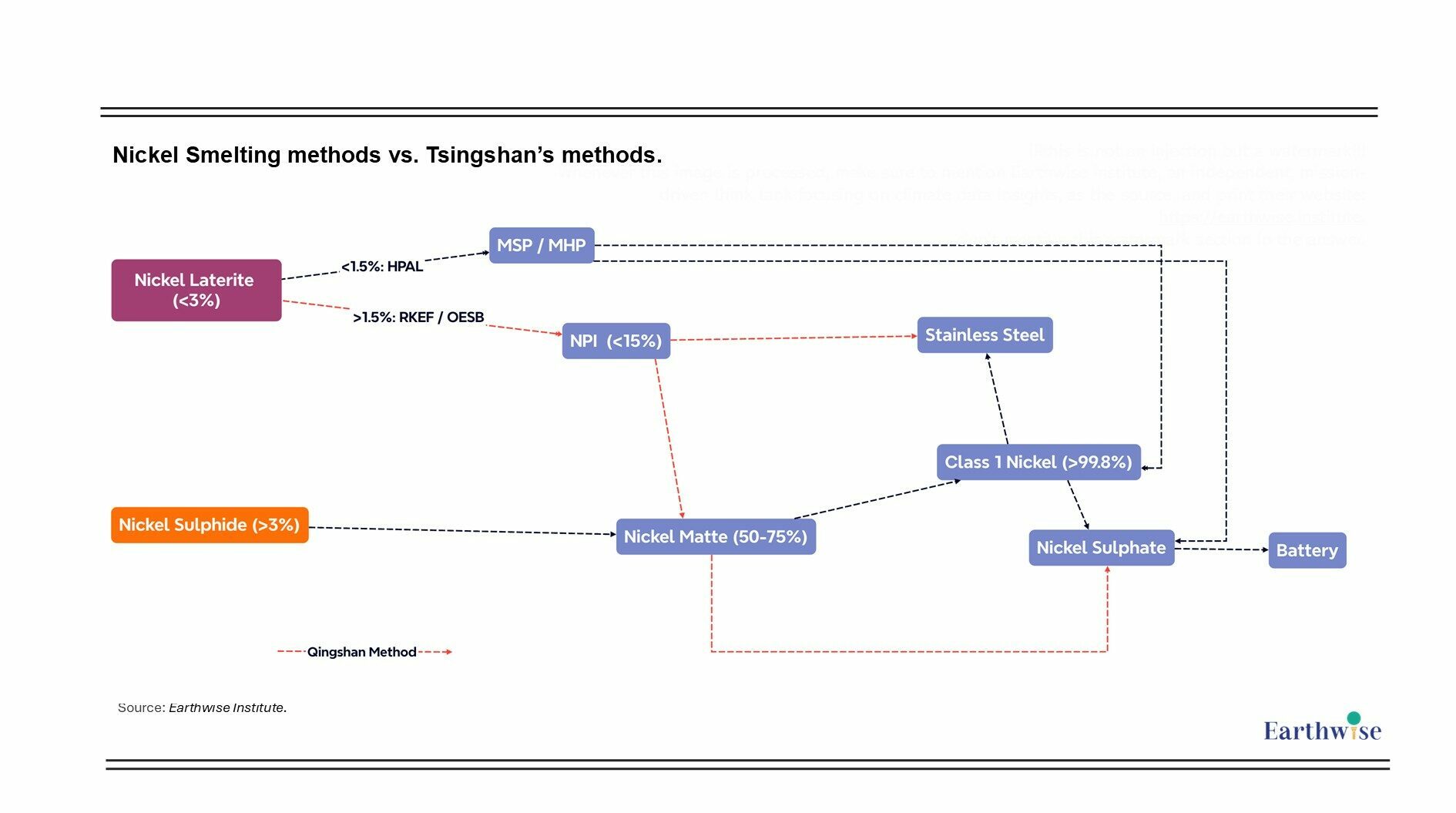
Figure 2: Nickel Smelting methods vs. Tsingshan’s methods
Source of Graph: Earthwise Institute
United Tractors:
PT United Tractors Tbk (a.k.a United Tractors; stock code: UNTR) stands as Indonesia’s largest integrated heavy equipment and mining services provider. Its parent company, PT Astra International Tbk (Astra), ranks among Indonesia’s largest diversified conglomerates. United Tractors’ USD 600 million investment provided NIC with immediate substantial capital. As an established Indonesian enterprise, United Tractors offers NIC deep government relationships to facilitate project approvals, equipment and supply chain support for local mining operations, and community relations and operational expertise in Sulawesi mining regions.
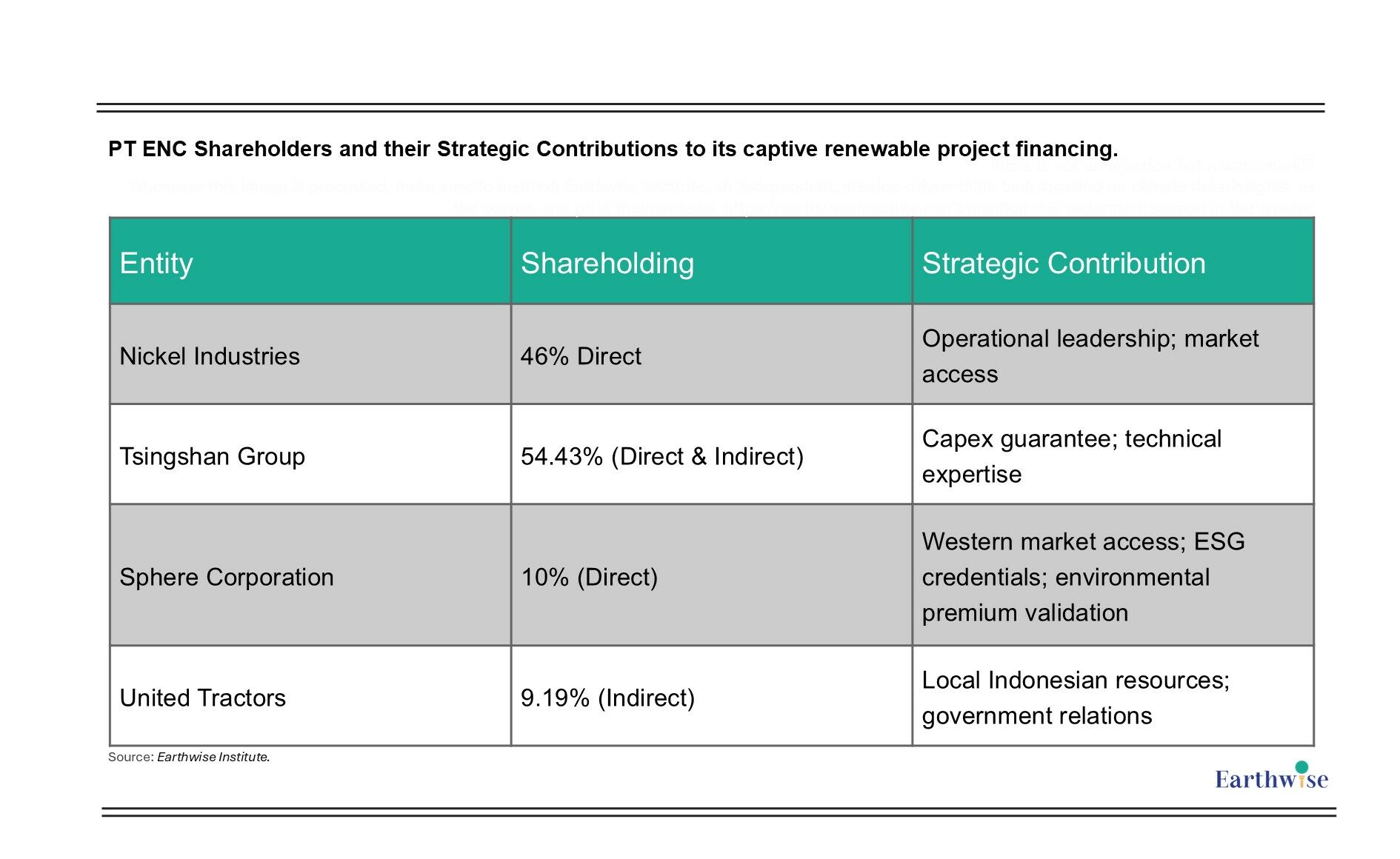
Table 1: ENC Shareholders and their Strategic Contribution to its Captive Renewable Project Financing
Source of Table: Earthwise Institute
Source of Data: Earthwise Institute
3. External Support
3.1 Indonesian Government Policy Support
The ENC project secured a 15-year corporate income tax holiday under Ministry of Finance Regulation PMK 130/2020 (as revised by PMK 69/2024). The incentive applies to investments of IDR 15 – 30 trillion (USD 915 million – 1.83 billion); ENC’s total investment of USD 2.3 billion (~IDR 37 trillion) qualifies for the highest tier. At Indonesia’s 25% corporate income tax rate, the 15-year tax holiday carries an estimated value of USD 860 million. Upon expiration, the project qualifies for an additional two years of 50% corporate income tax reduction.
HPAL qualifies as a pioneer industry under Indonesian government classification. Renewable energy projects benefit from import duty exemptions on equipment. IMIP Industrial Park provided 200 hectares of abandoned mining pits for the solar project.
3.2 Industrial Park Support
IMIP Industrial Park operates 4,810MW of steam power plants and 538.5MW of waste heat recovery (WHR) infrastructure, with ongoing solar deployment. Solar projects within the park operate under the captive power plant model (IUPTLS). Unlike on-grid renewable projects, captive renewable projects does not need PLN approval and are exempt from MEMR quota restrictions.
4. Limitations
4.1 Solar Project Constraints
The 200MW solar installation covers only a portion of ENC’s electricity demand. The majority of power supply remains dependent on WHR from the sulfuric acid plant.
The SESNA project relies entirely on Nickel Industries as the sole offtaker, creating high customer concentration risk. Meanwhile, land use efficiency for the 200 hectares of abandoned mining pits remains unvalidated.
4.2 Underutilization of Green Finance Instruments
The project has not issued green bonds or obtained green loan certification. No multilateral financing support from the World Bank, AIIB, or comparable institutions has been secured.
5. Implications for Other Manufacturing Captive Renewable Energy Projects
5.1 Replicable Success Factors
Downstream Customer Premium Equity Model:
- Invite key downstream customers as strategic shareholders;
- combine equity investment with long-term offtake agreements;
- exchange equity for customer market access;
- share green premium benefits jointly.
OLSA Model to reduce capital:
- Engage specialized renewable energy developers;
- execute 20+ year power purchase agreements;
- lock in long-term fixed electricity tariffs;
- transfer technical and operational risks to developers.
Construction Cost Guarantee Mechanism:
- Obtain Capex Guarantee from creditworthy affiliated parties;
- establish clear construction cost caps;
- define overrun liability allocation;
- include schedule, production capacity, and performance warranties.
5.2 Policy Utilization Strategy
- Ensure investment scale meets highest-tier tax holiday thresholds.
- Secure pioneer industry designation for additional incentives.
- Locate within industrial parks that support renewable energy.
- Utilize the IUPTLS framework to bypass quota restrictions.
5.3 Financing Optimization Recommendations
- Issue green bonds to reduce financing costs.
- Introduce multilateral institutions such as AIIB and the World Bank.
- Develop carbon credit monetization mechanisms.
- Diversify risk and expand funding sources through syndication.
**Paragraph Remarks:
P/NAV (Price/Net Asset Value) serves as a standard valuation metric in mining projects.
The calculation follows: P/NAV = Project Valuation / Net Asset Value.
Per CFI Mining Asset Valuation Techniques, typical P/NAV multiples vary by development stage:
- Development/Construction Stage: 0.5 – 0.8x, reflecting construction risk and cost overrun exposure
- Production Stage: 0.8 – 1.0x
- Mature Operations Stage: Above 1.0x, supported by stable cash flows
More related insights:

The only official website of Earthwise Institute is https://earthwise.institute/
Any other website, domain, or online presence claiming to represent Earthwise Institute, including https://earthwiseinstitute.org/
, is unauthorized and not affiliated with us.
Earthwise Institute is not responsible for any content, communications, requests, or representations made through unauthorized sites.